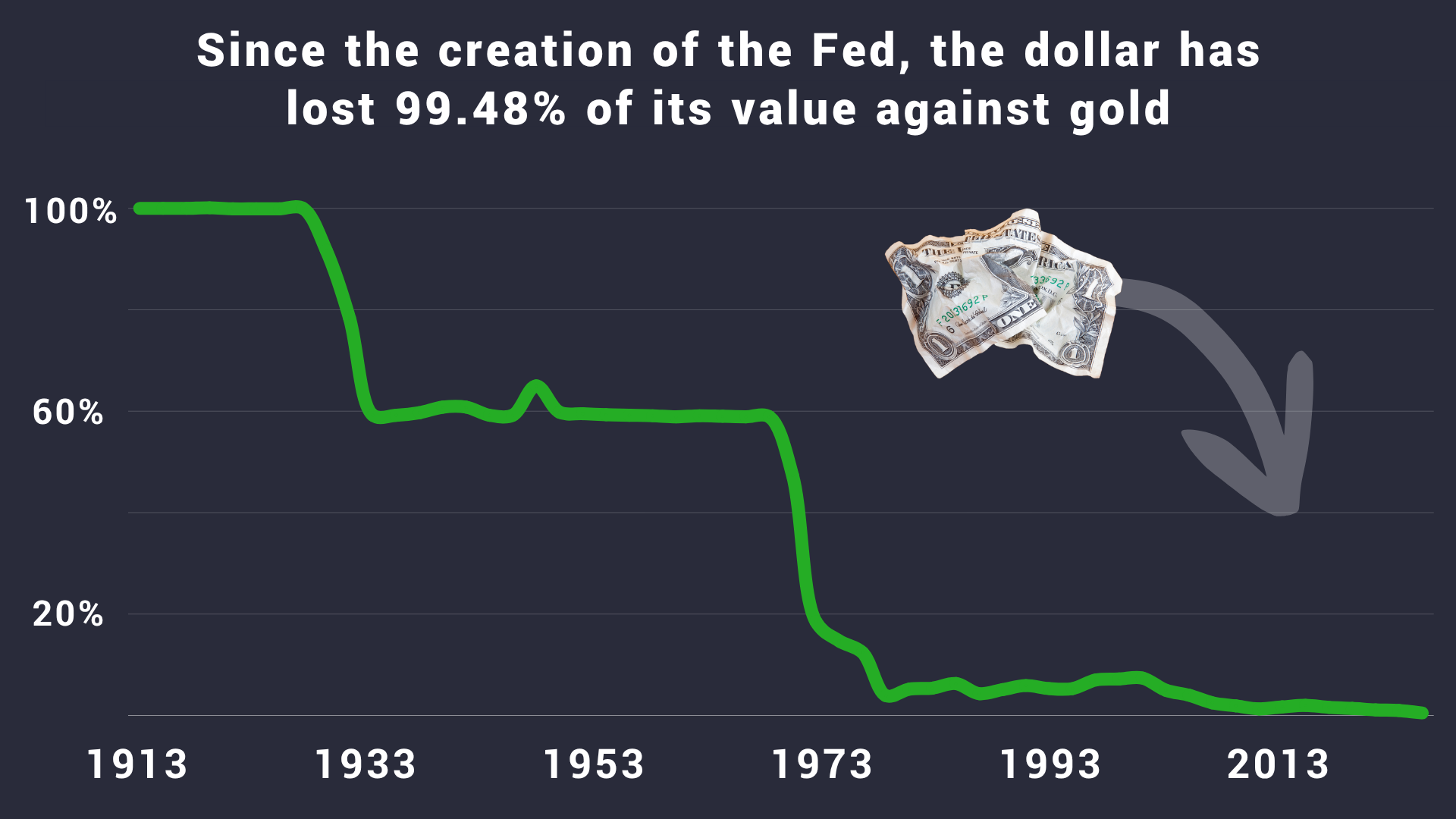
Gold and the Dollar: A Breakup Story
Gold and the US dollar were once inseparable partners. Now they are sworn rivals. Let's dig into the breakup that shaped the modern economic system.

Gold and the US dollar were once inseparable partners. Now they are sworn rivals. Let's dig into the breakup that shaped the modern economic system.
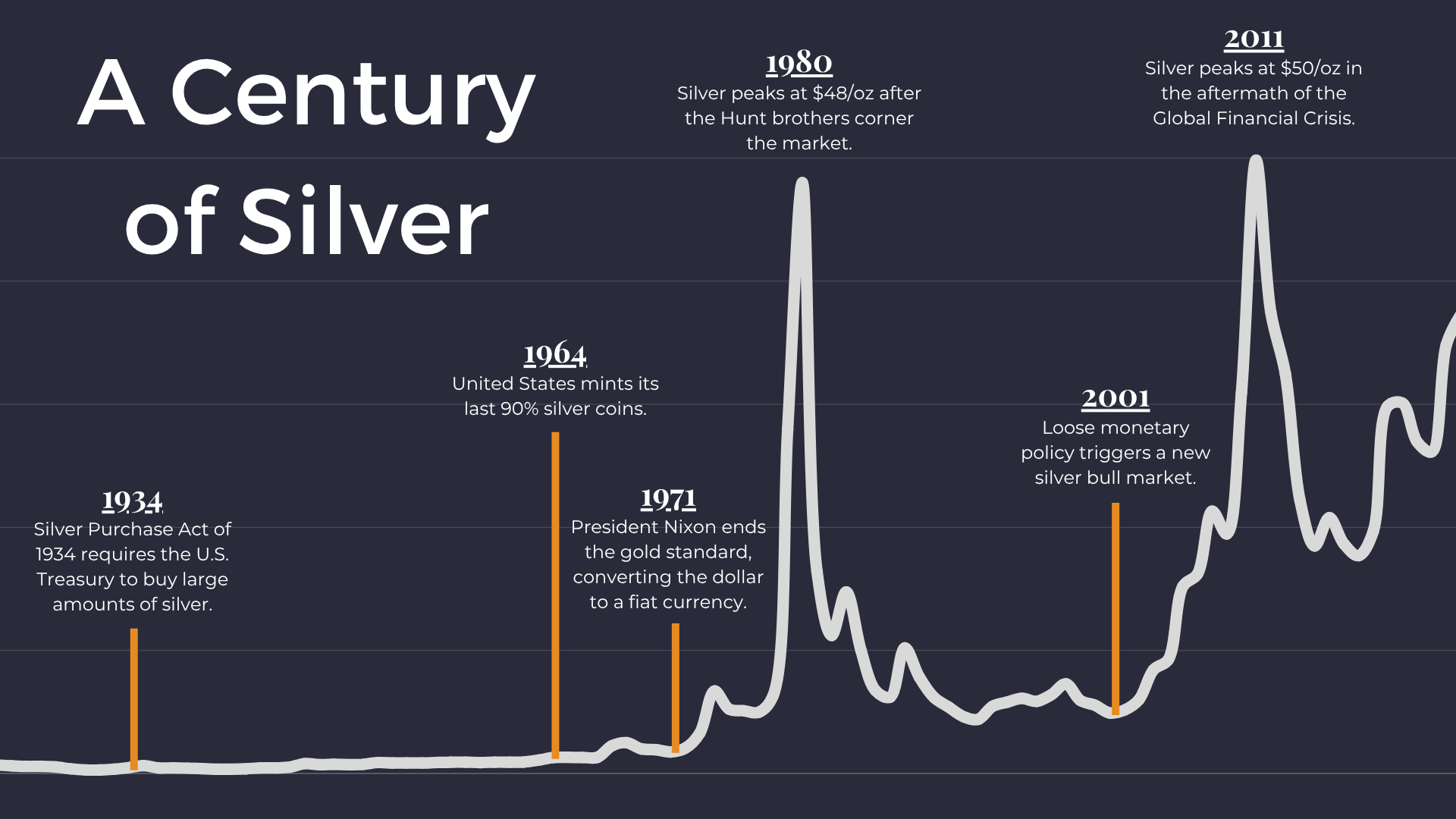
We’ll explore the silver price history from 1925 to today and zoom in on recent decades (30-year and 10-year price trends).
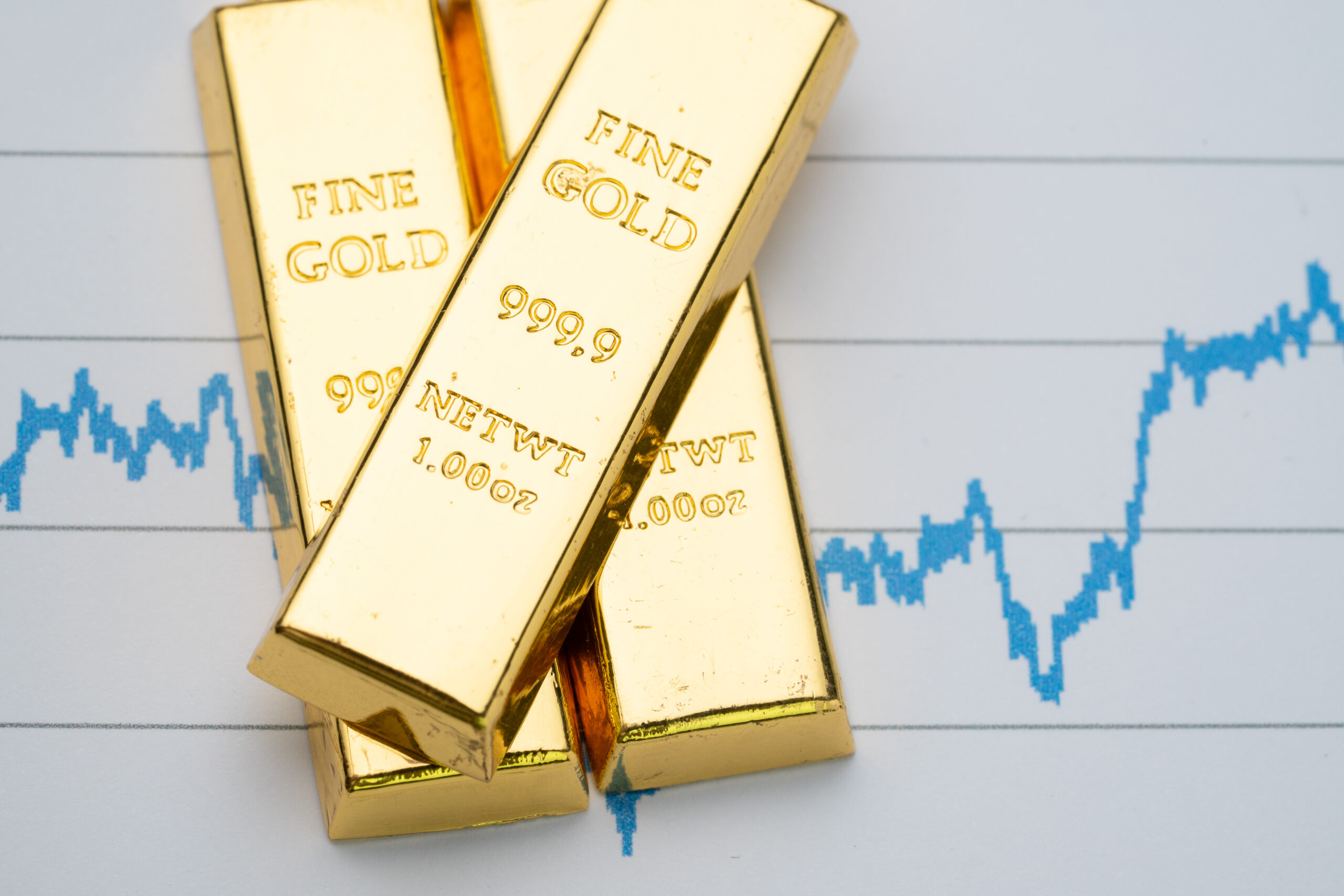
Gold is hovering around $2,320/ounce, down from its all-time high of $2,450 on May 20th. Silver has taken a bigger hit; down 11% from its May peak.
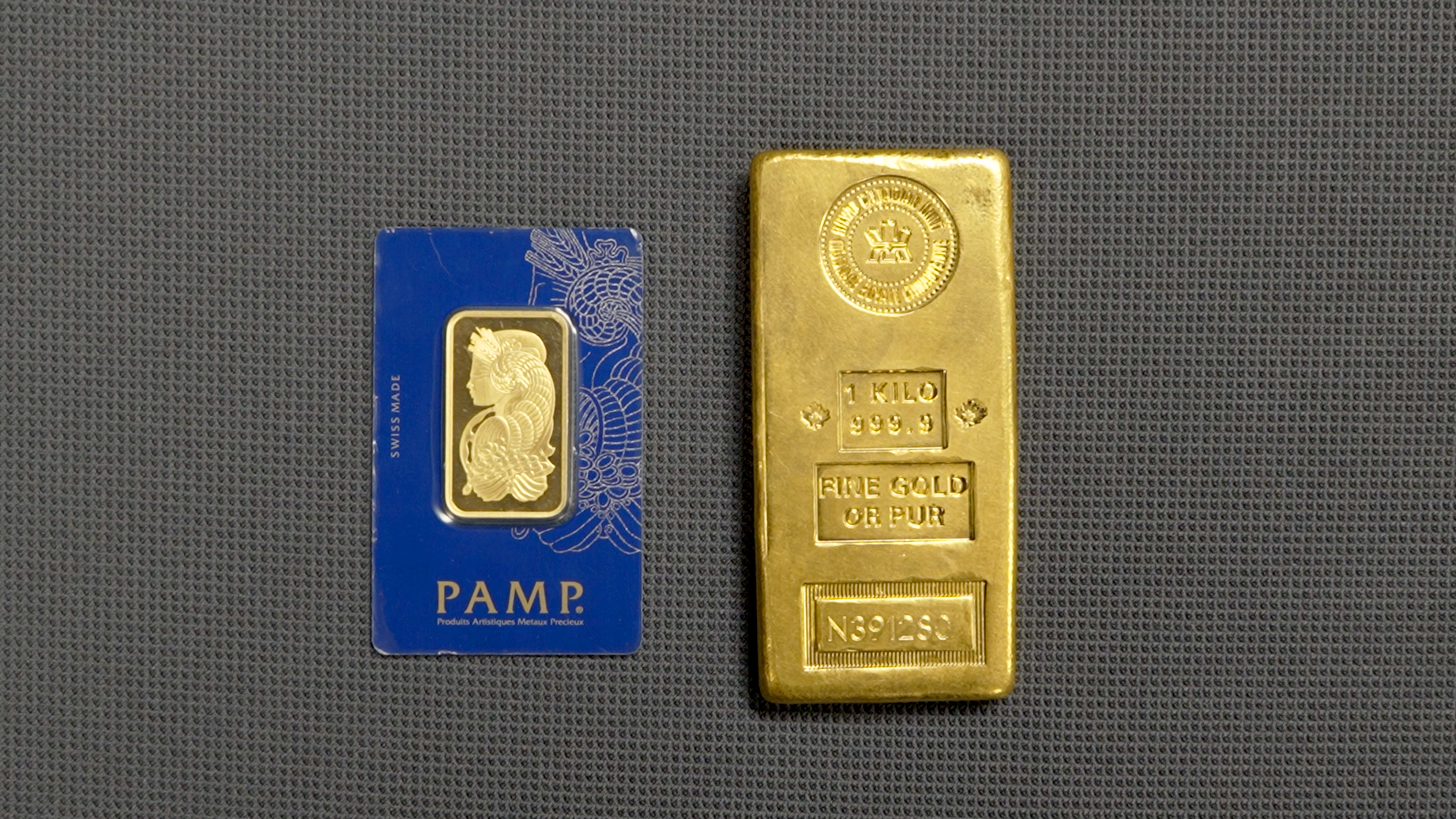
Costco enthusiasts love the big box store for household goods and $1.50 hot dogs. But now, card-carrying members are flocking to the retailer for… Costco gold bars?
Typically, rising yields are bad for gold. Not this year. Rising yields represent an increasing risk of a public debt crisis, for which gold may be the only remedy.
When the Fed cuts interest rates this summer, gold and silver stand to absorb billions of dollars as investors redeploy their mountain of cash.
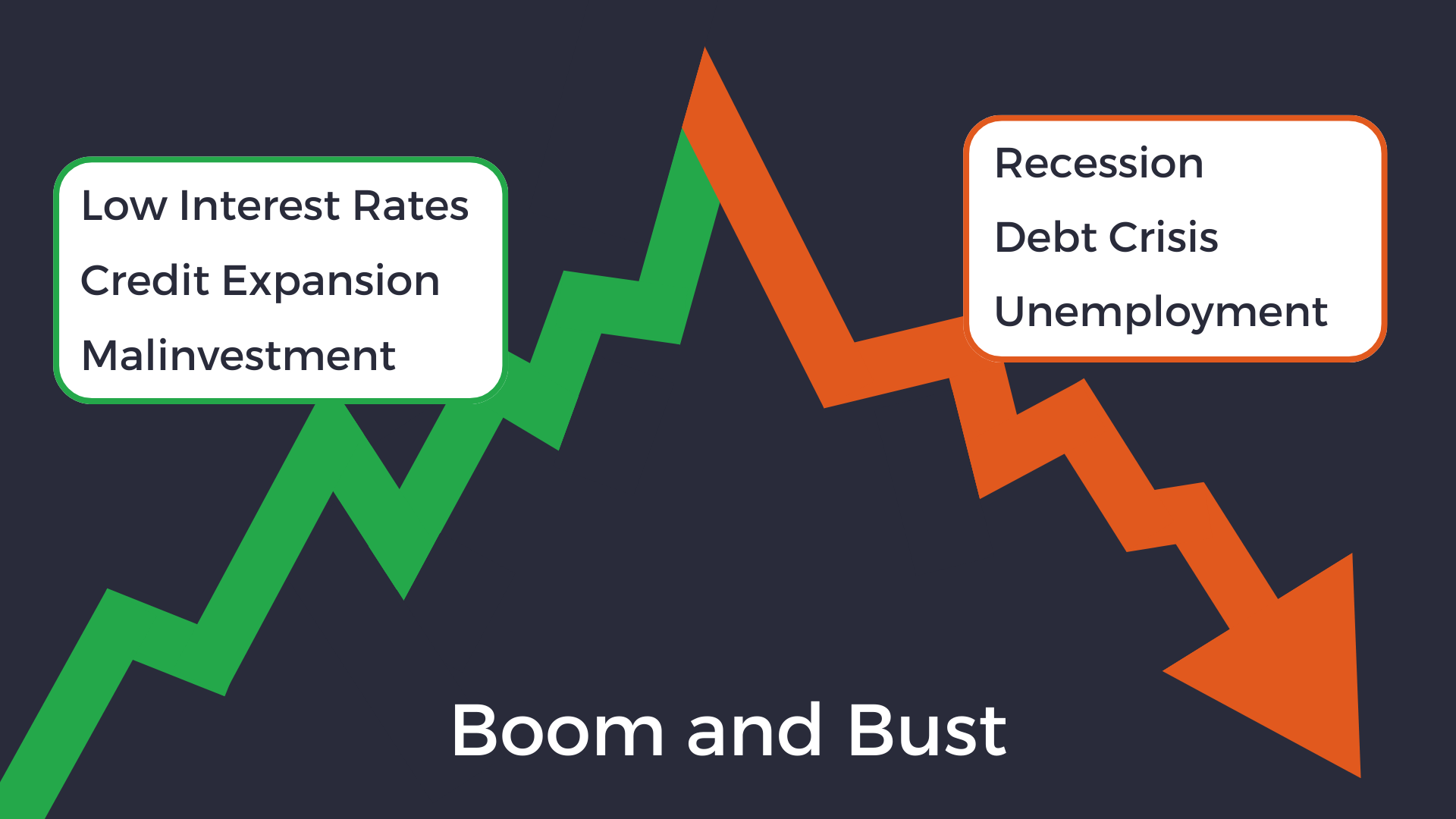
Economic crashes begin with artificially low interest rates and credit expansion which lead to a misallocation of resources, inevitably culminating in a recession.
Prior to 1971, the US dollar was backed by gold. Today, the dollar is backed by 2 things: the government’s ability to generate revenues (via debt or taxes), and its authority to compel economic participants to transact in dollars.
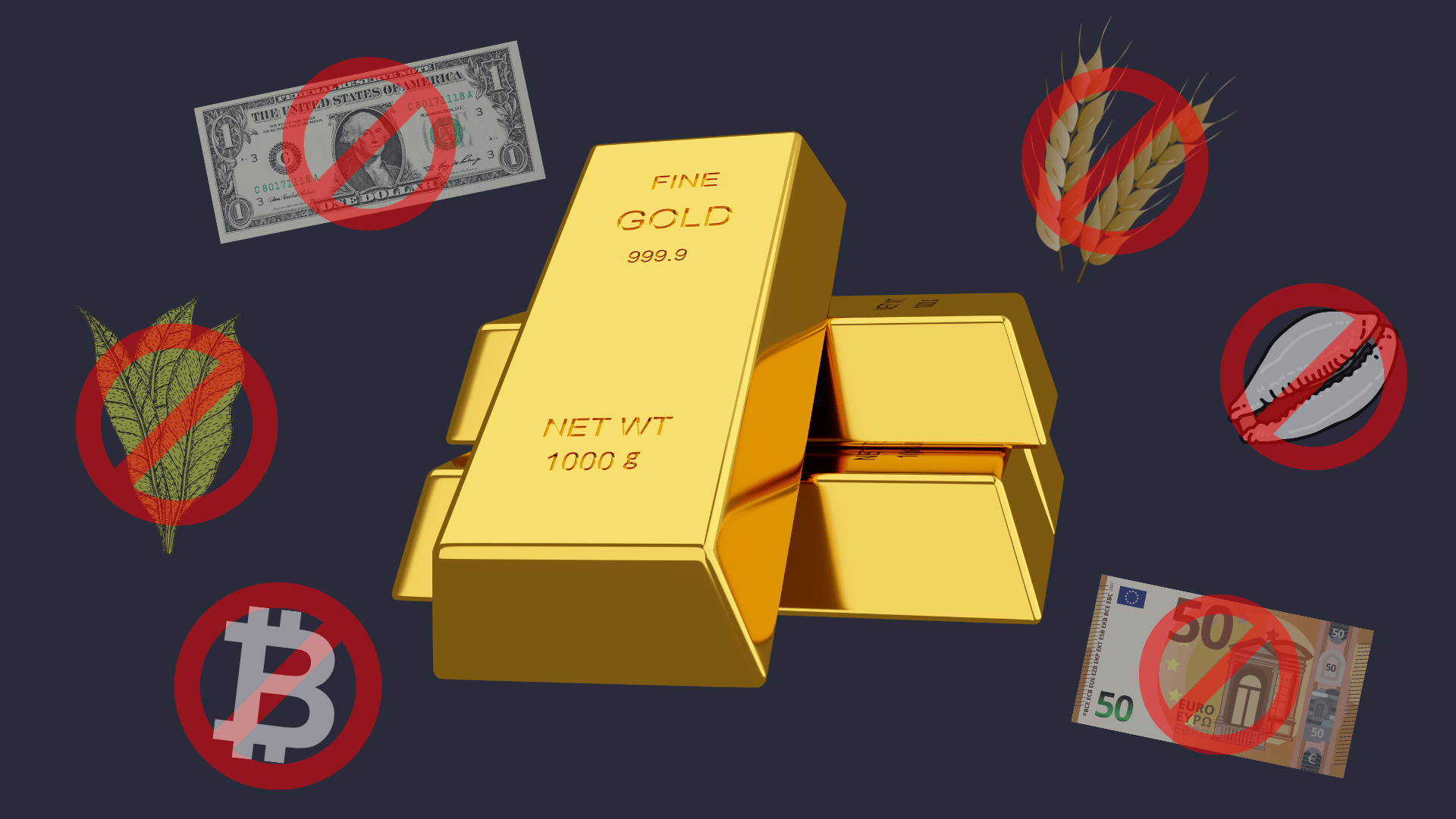
History, economic theory, and empirical evidence: three arguments supporting gold as the purest form of money.
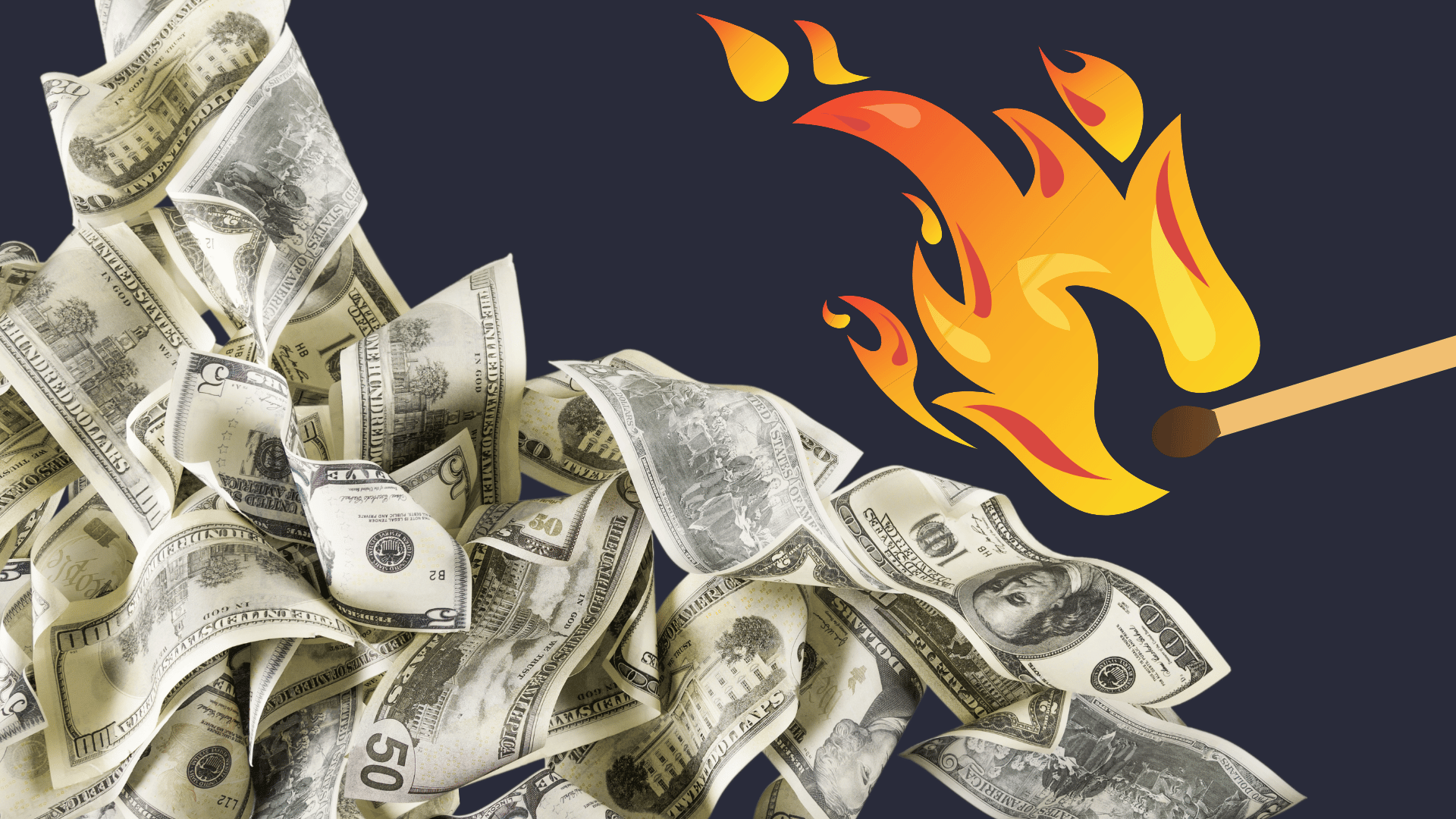
Fiat currencies rule the world, despite their shoddy track record over the last 100 years. What can we learn from fiat currency collapses in recent history?
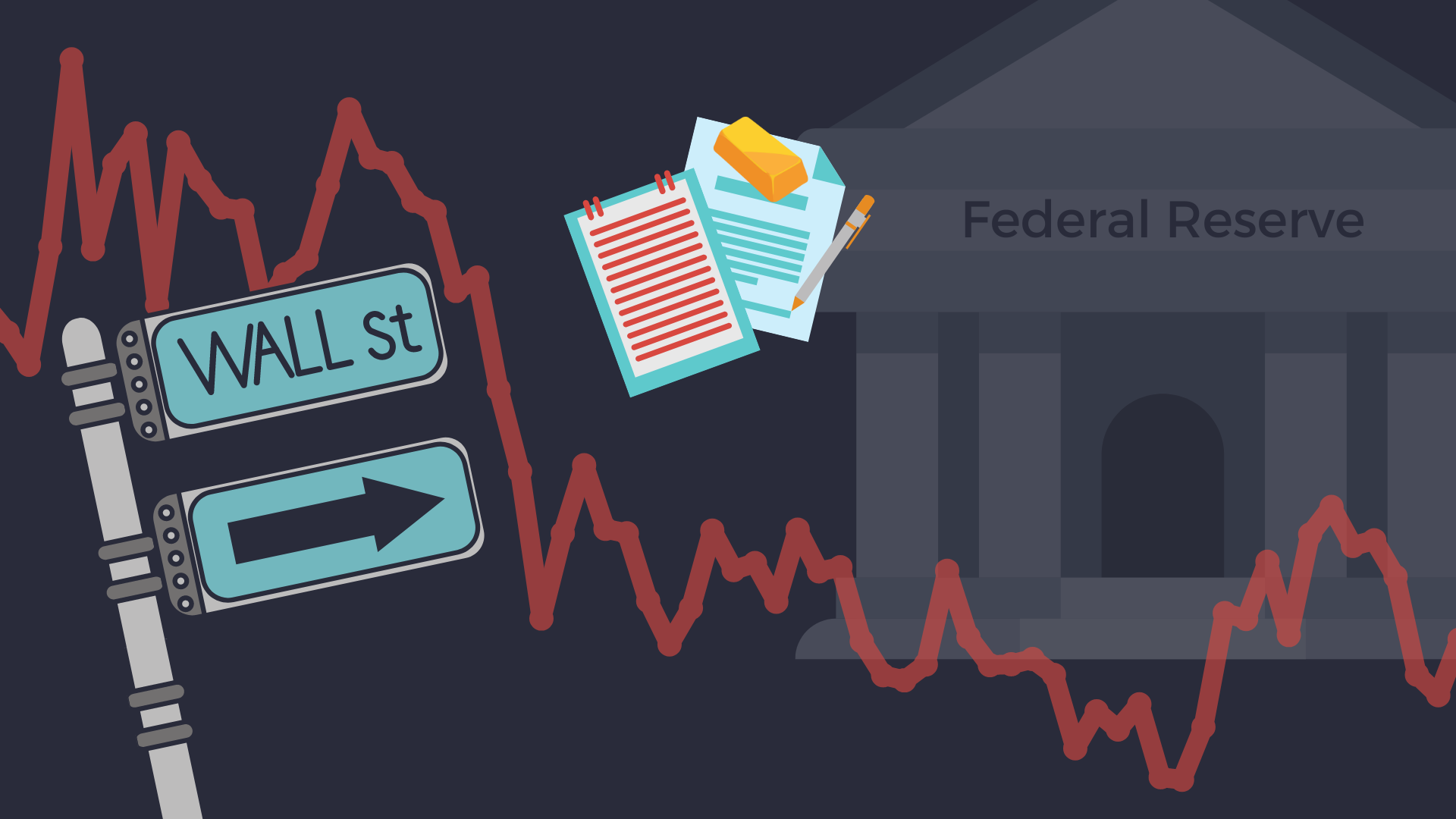
Gold bugs often debate the scope and impact of gold price manipulation. Some of these accusations are absolutely true, while others enter the realm of conspiracy.
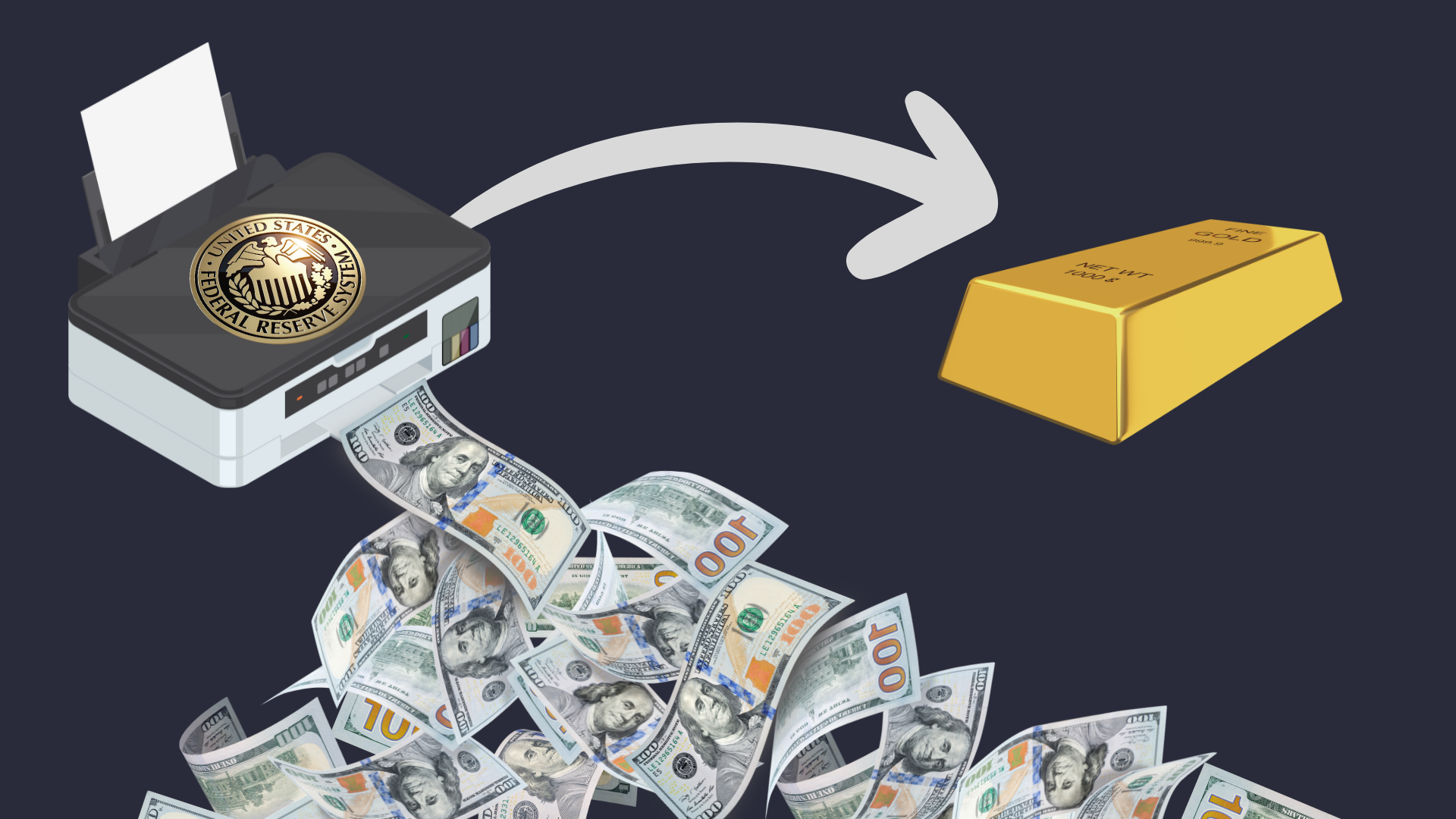
The long-term risks of quantitative easing, including eroding the credibility of the US dollar, are closely linked to gold's performance.
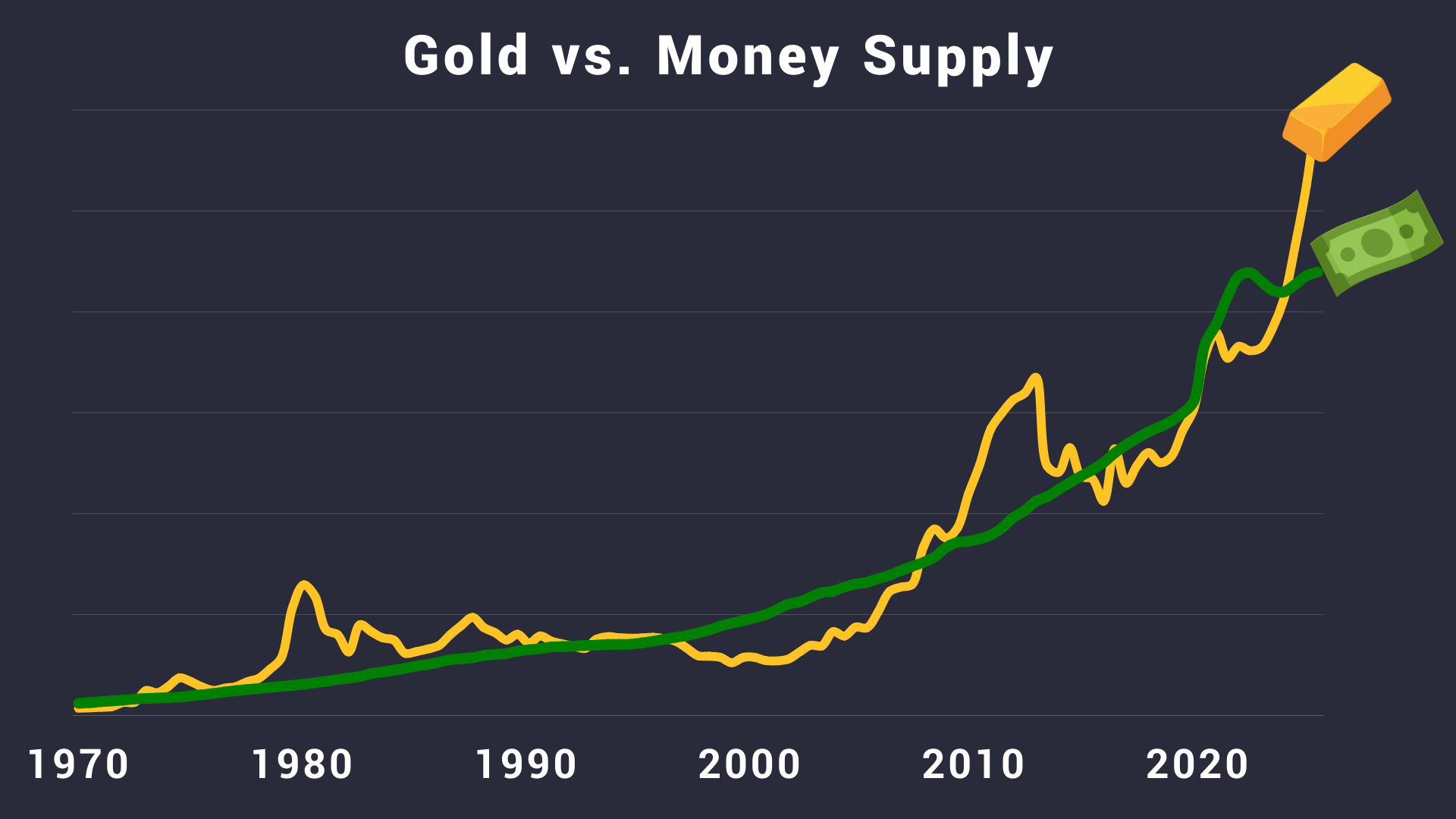
History is clear: when the money supply increases, the gold price follows. The more dollars are printed, the more can be stuffed into the earth’s limited supply of gold.
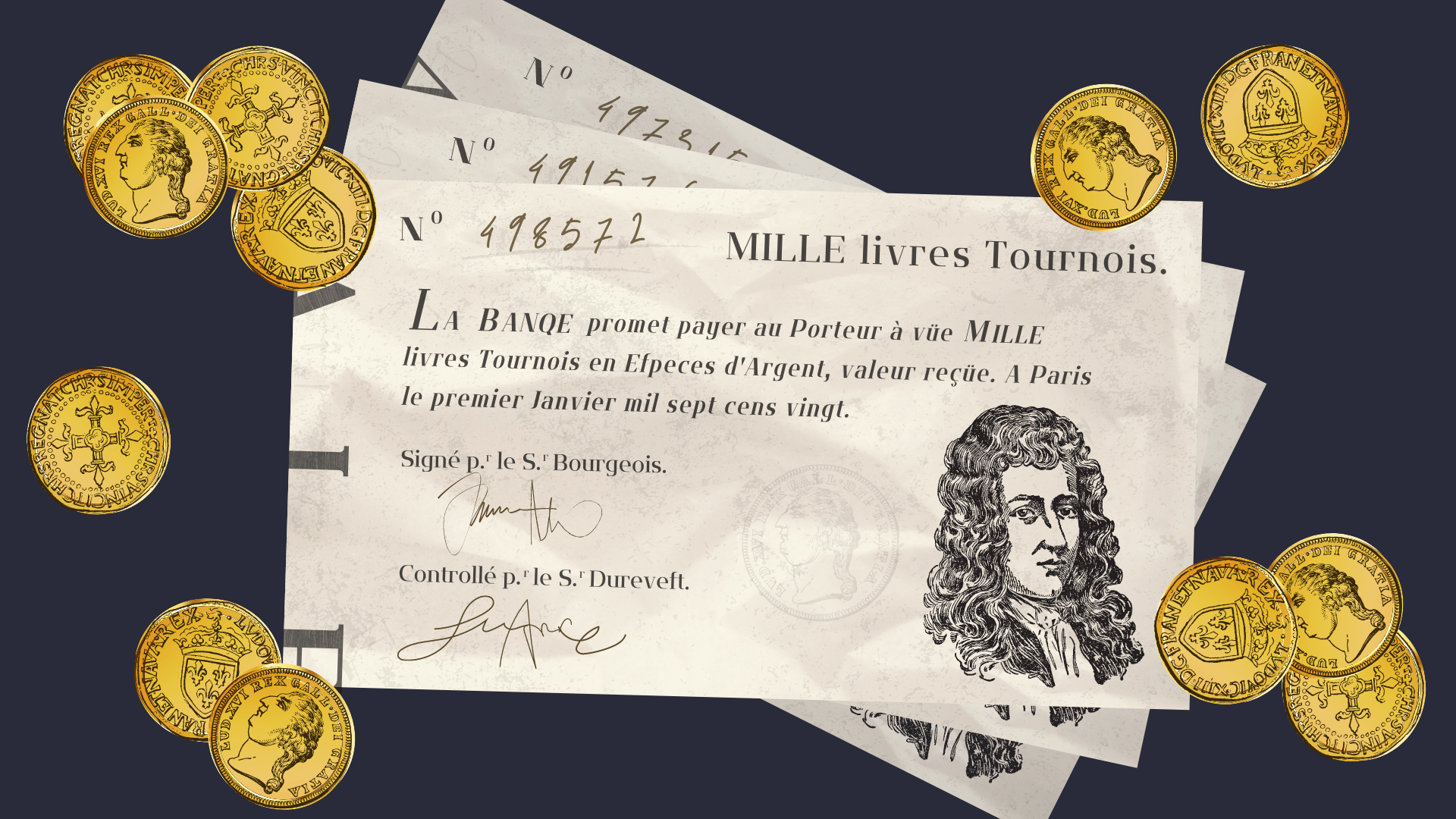
If you happened to be walking around Paris from 1715 to 1722, you would have encountered one of the first experiments with paper money, centralized banking, and fractional reserves.