Gold and the Dollar: A Breakup Story
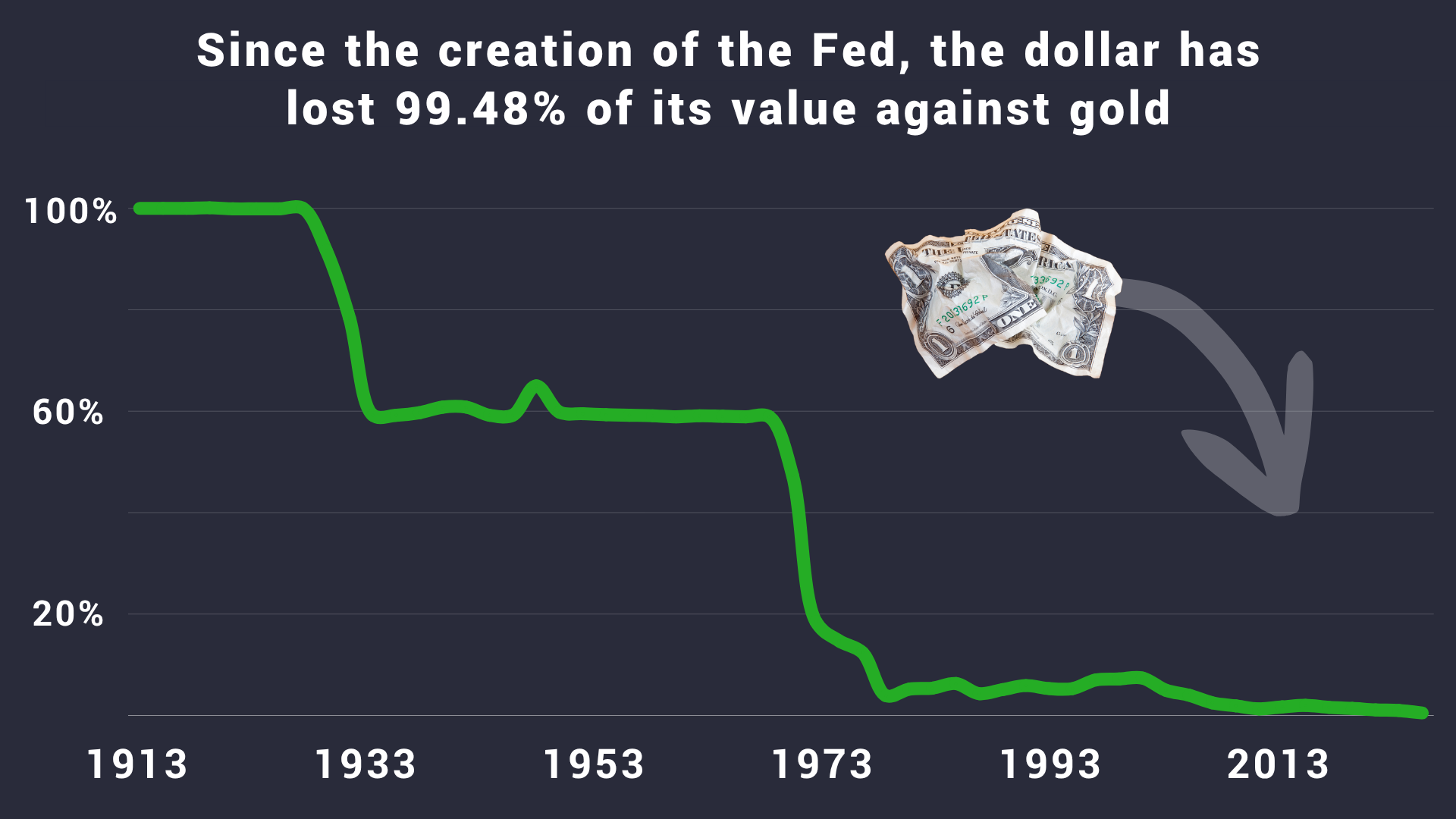
Gold and the US dollar were once inseparable partners. Now they are sworn rivals. Let's dig into the breakup that shaped the modern economic system.

Gold and the US dollar were once inseparable partners. Now they are sworn rivals. Let's dig into the breakup that shaped the modern economic system.
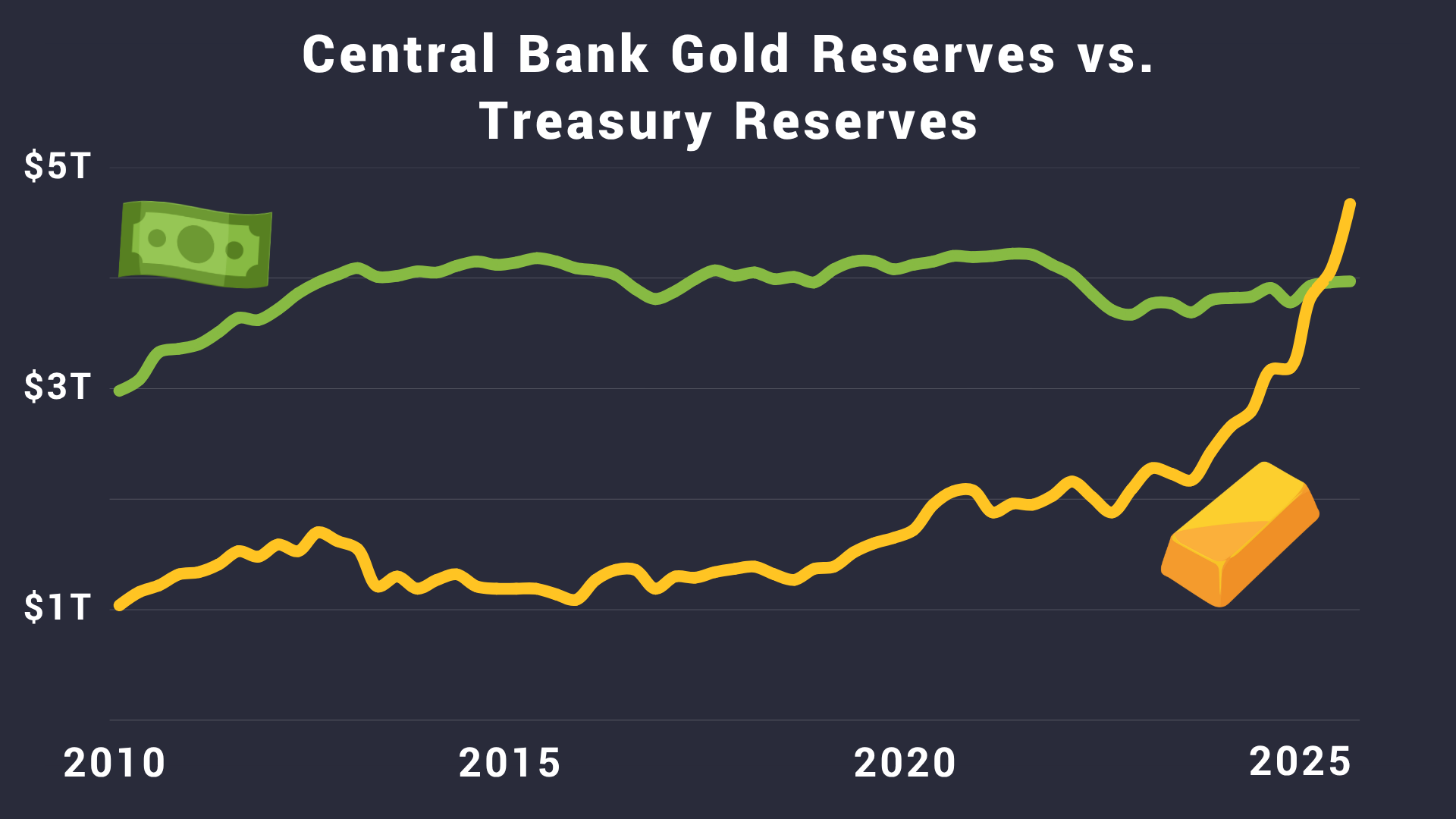
The value of central bank gold reserves just surpassed the value of foreign U.S. Treasury holdings. When the biggest players in the world swap bonds for bullion, it’s worth paying attention.
Precious metals slow down their climb, but continue to show strength after the Thanksgiving break in the US.
Typically, we expect the price of gold to fall when yields rise. But over the last two months, Treasury yields and gold have surged together.
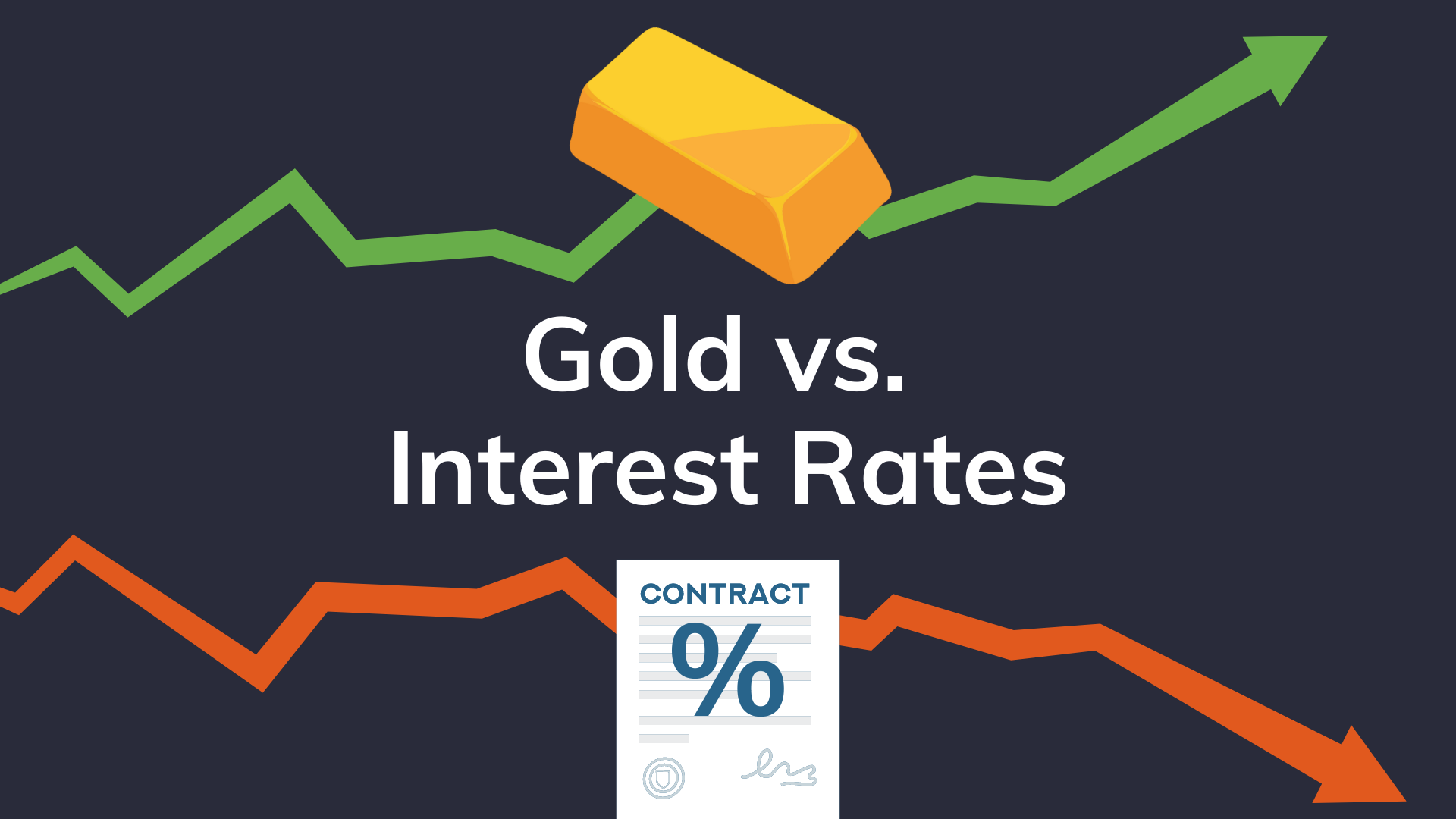
Gold and interest rates have an inverse relationship. When interest rates fall, the price of gold tends to rise, and vice versa.
An unexpected slowdown in the CPI caused a sharp drop in the dollar, incentivizing buyers to chase gold and silver.
Typically, rising yields are bad for gold. Not this year. Rising yields represent an increasing risk of a public debt crisis, for which gold may be the only remedy.
When the Fed cuts interest rates this summer, gold and silver stand to absorb billions of dollars as investors redeploy their mountain of cash.
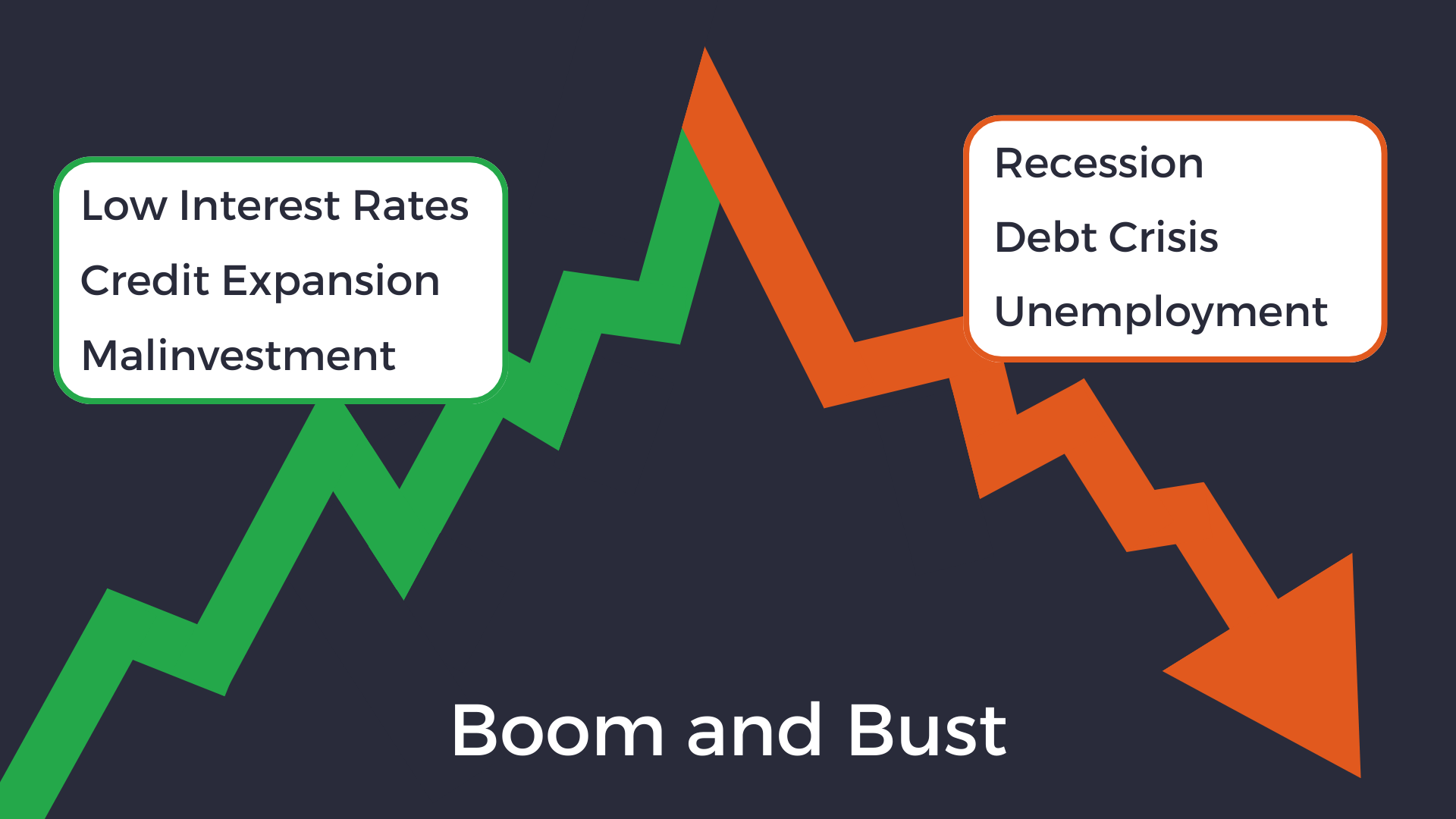
Economic crashes begin with artificially low interest rates and credit expansion which lead to a misallocation of resources, inevitably culminating in a recession.
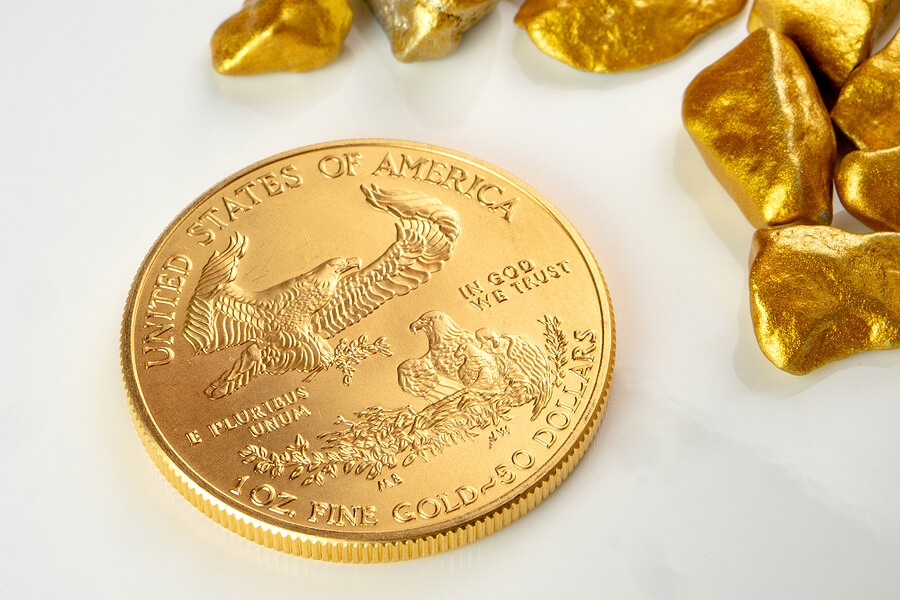
Gold has risen 6% in less than a week, achieving an all-time high.
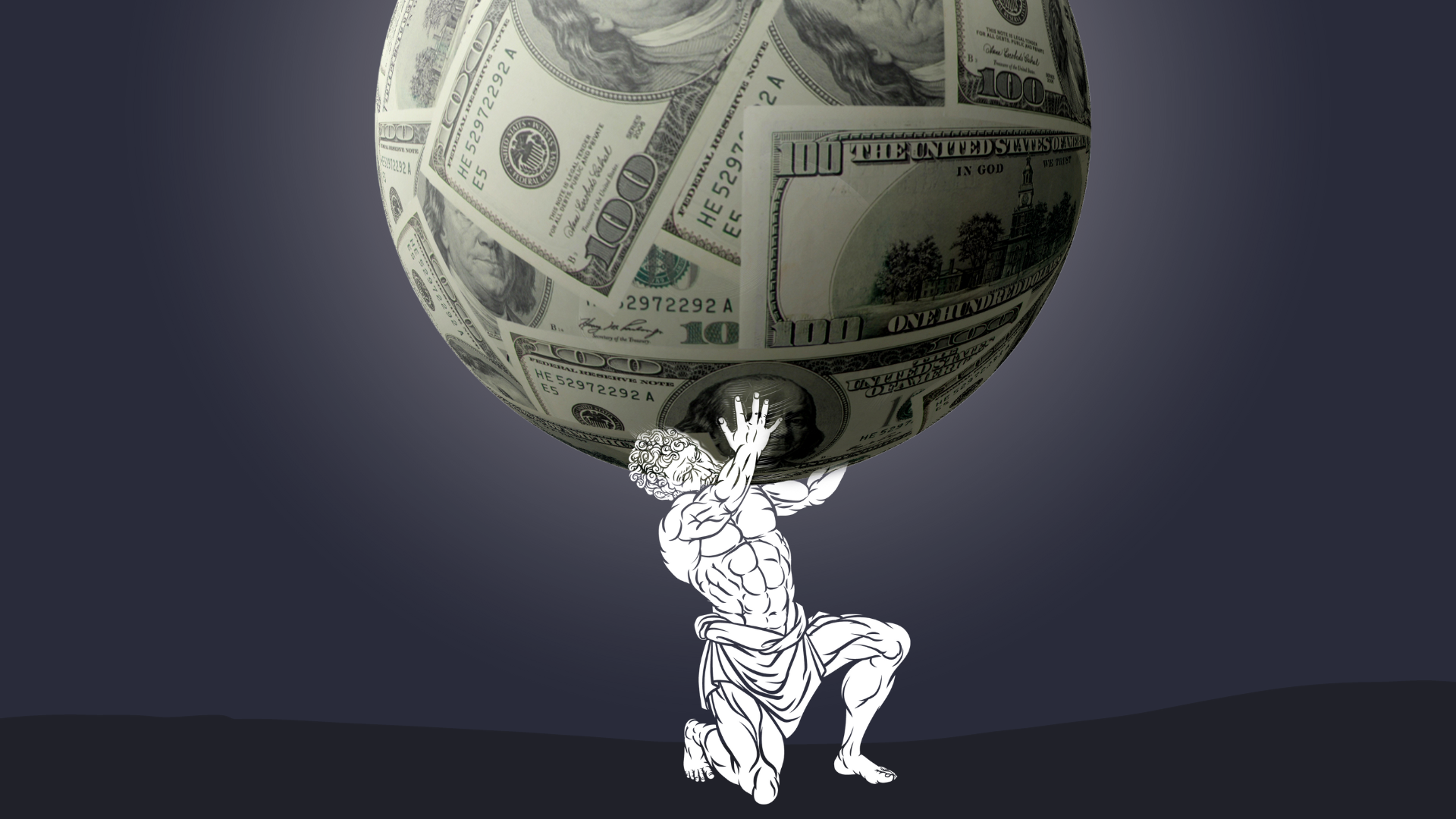
Prior to 1971, the US dollar was backed by gold. Today, the dollar is backed by 2 things: the government’s ability to generate revenues (via debt or taxes), and its authority to compel economic participants to transact in dollars.
Gold bugs often debate the scope and impact of gold price manipulation. Some of these accusations are absolutely true, while others enter the realm of conspiracy.
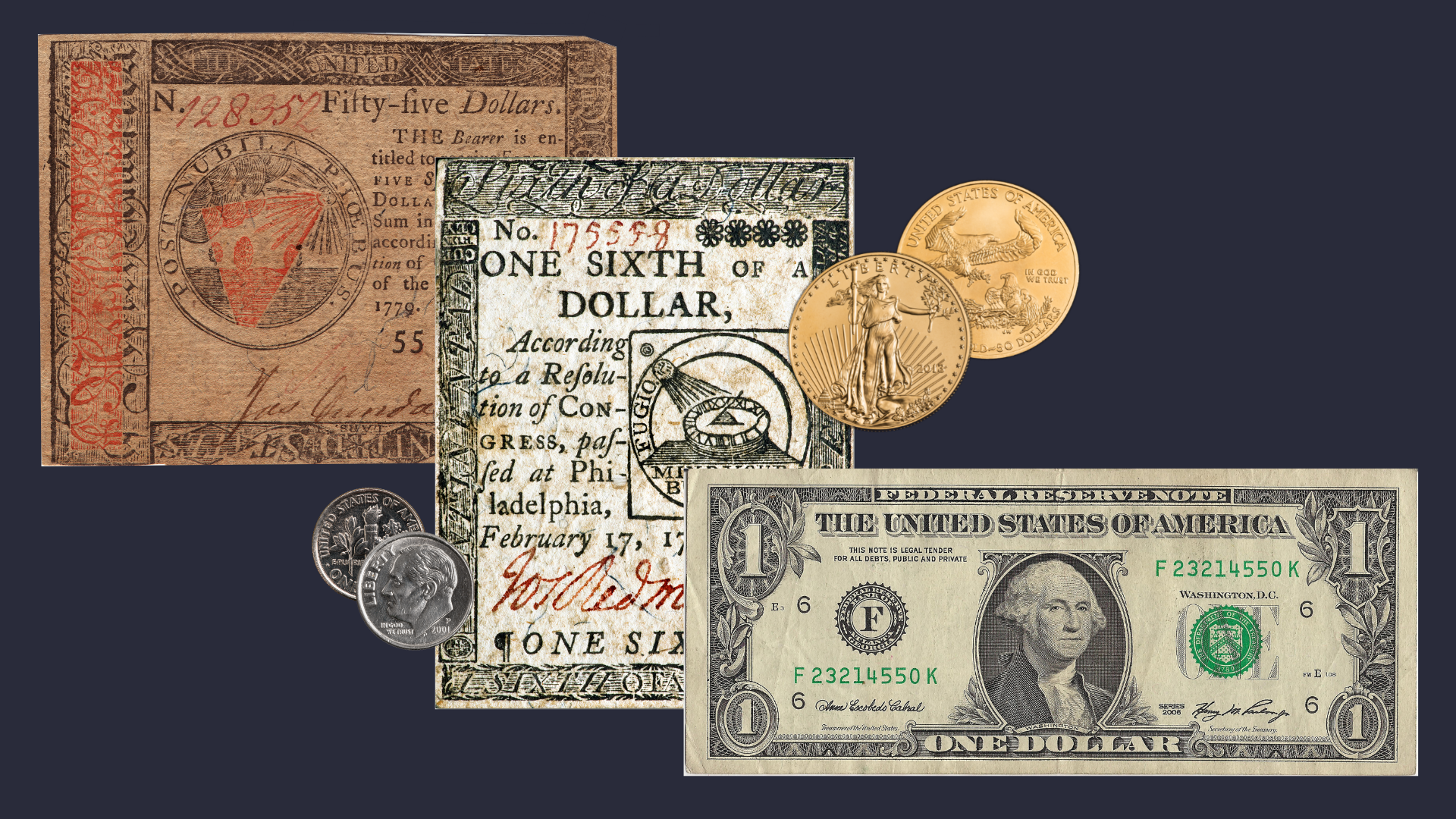
To understand the history of US monetary system, we must grasp the role of its central protagonist: gold.
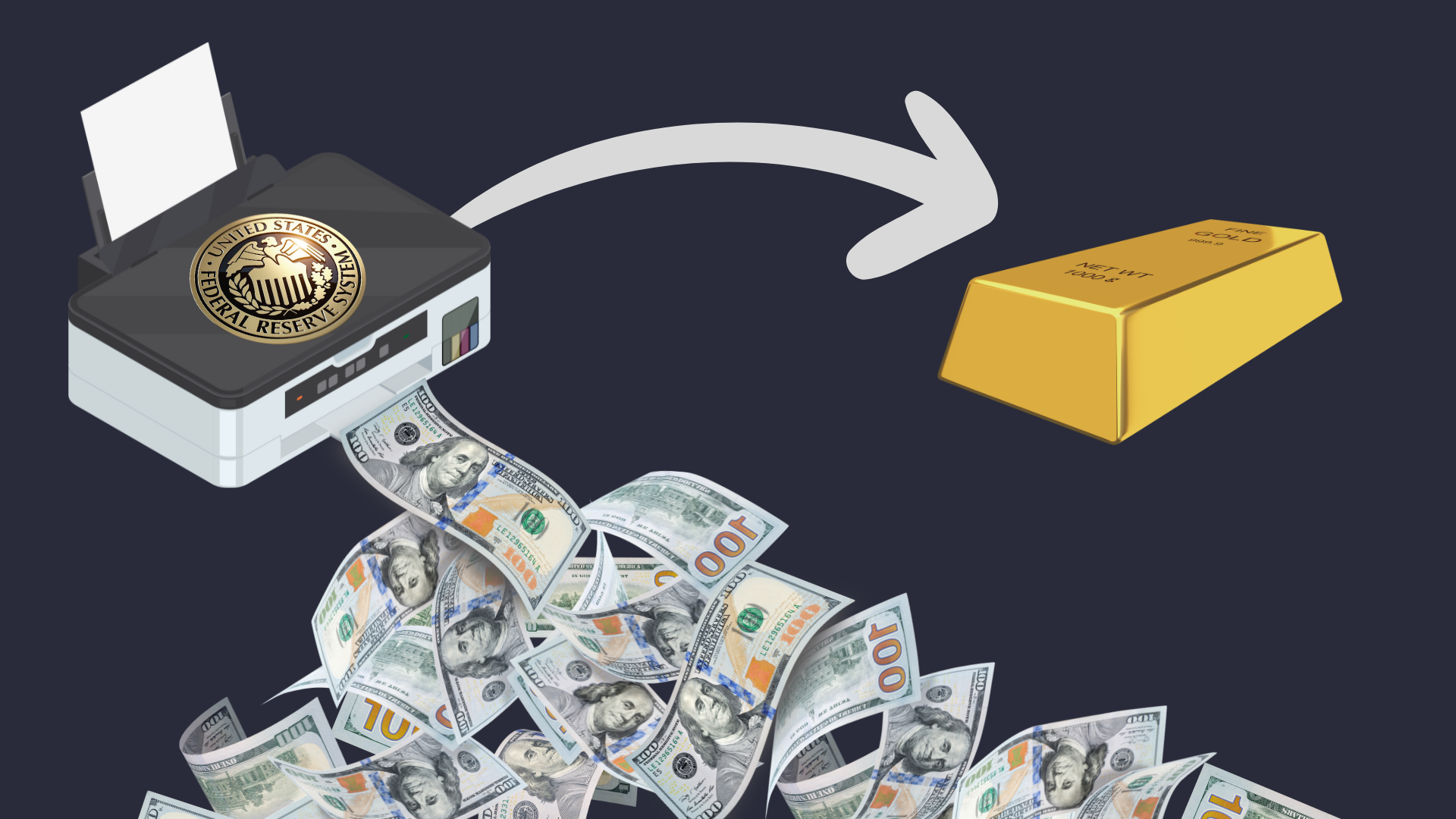
The long-term risks of quantitative easing, including eroding the credibility of the US dollar, are closely linked to gold's performance.
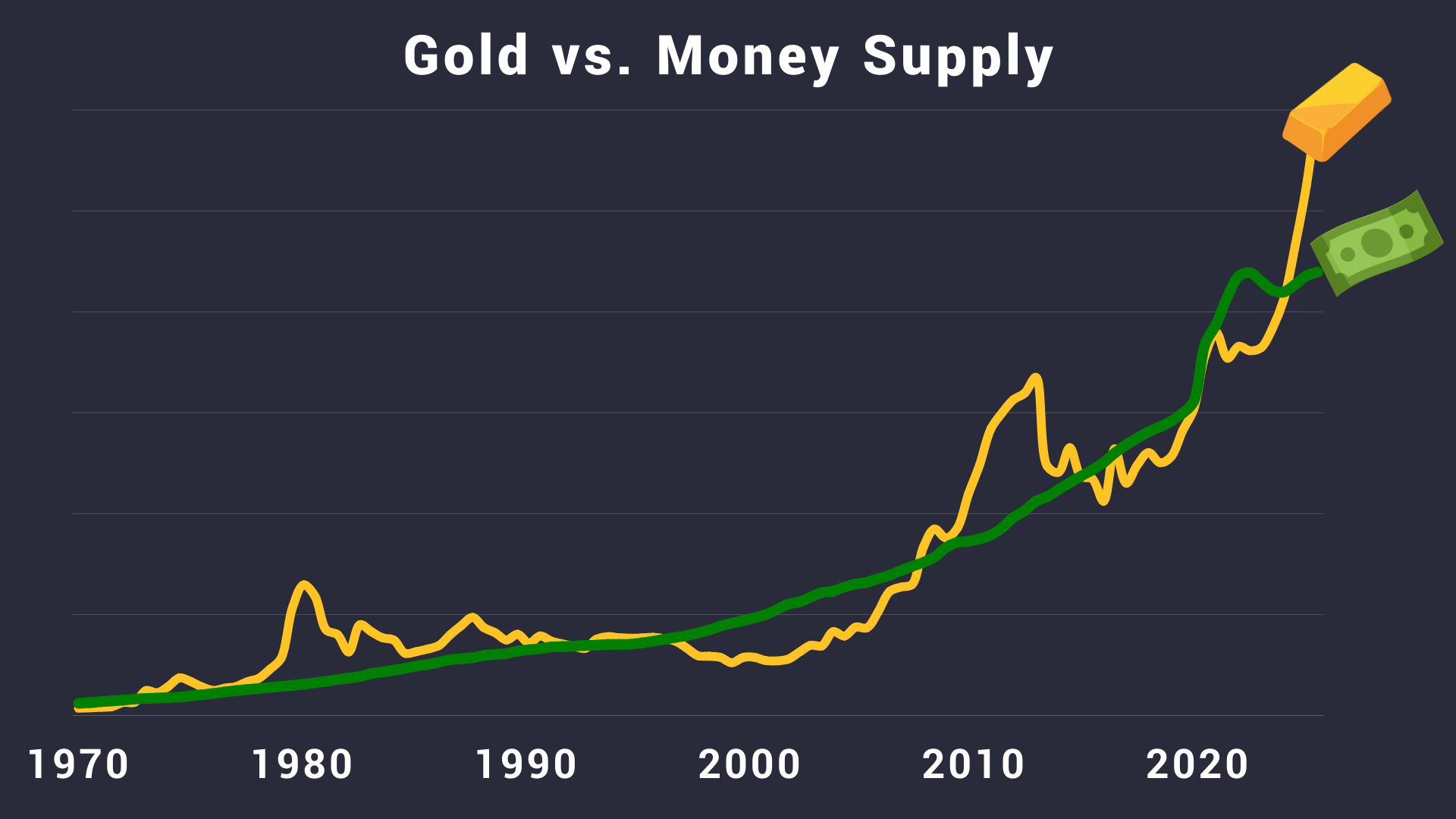
History is clear: when the money supply increases, the gold price follows. The more dollars are printed, the more can be stuffed into the earth’s limited supply of gold.