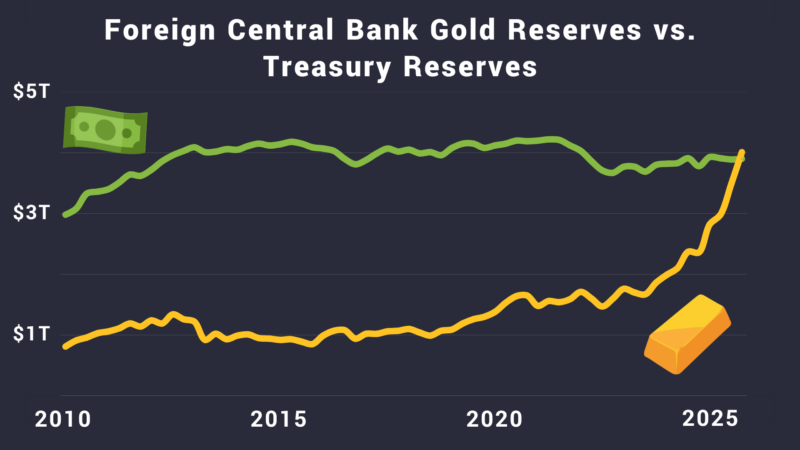
The value of central bank gold reserves just surpassed the value of foreign U.S. Treasury holdings. When the biggest players in the world swap bonds for bullion, it’s worth paying attention.
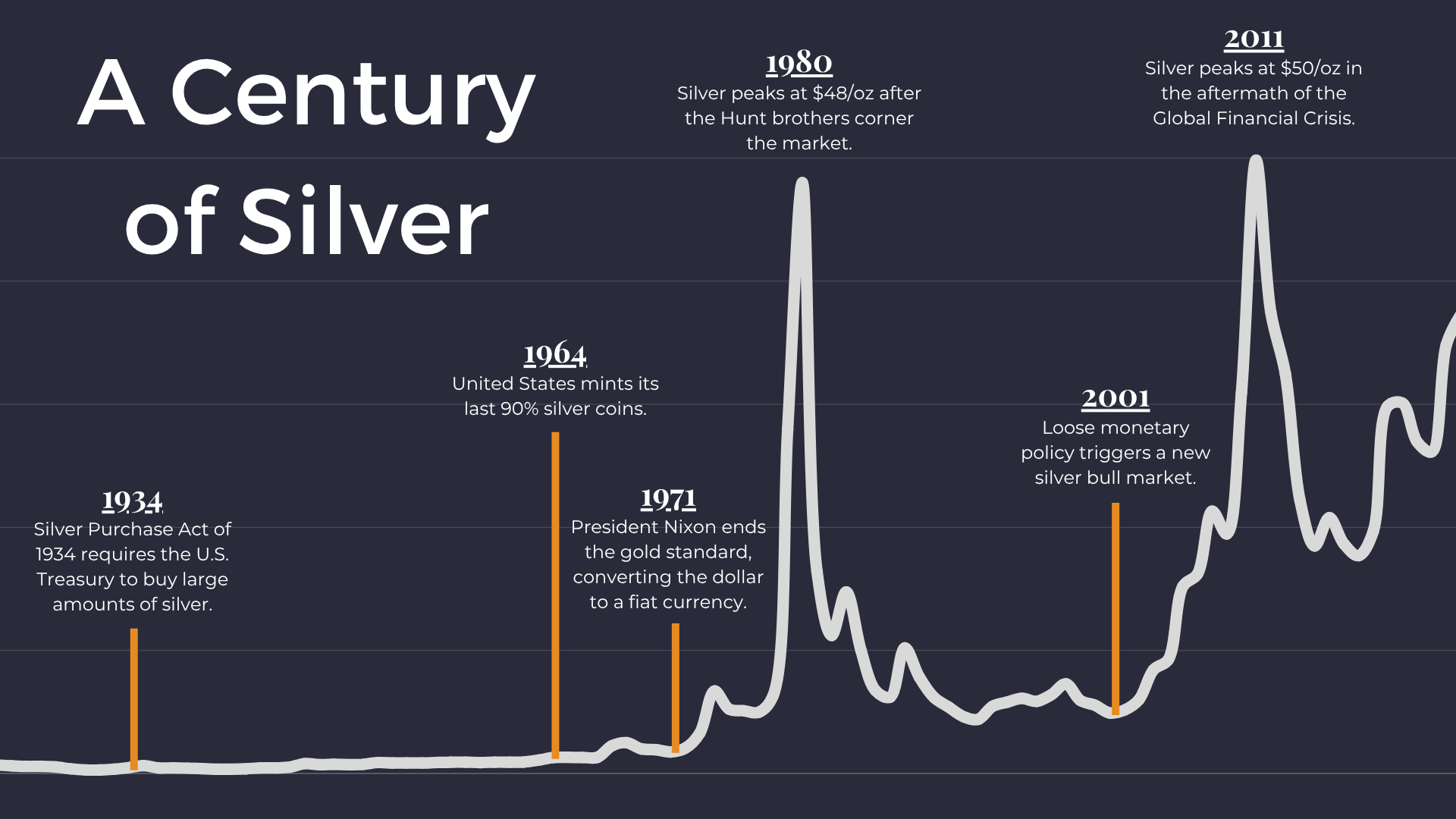
We’ll explore the silver price history from 1925 to today and zoom in on recent decades (30-year and 10-year price trends).
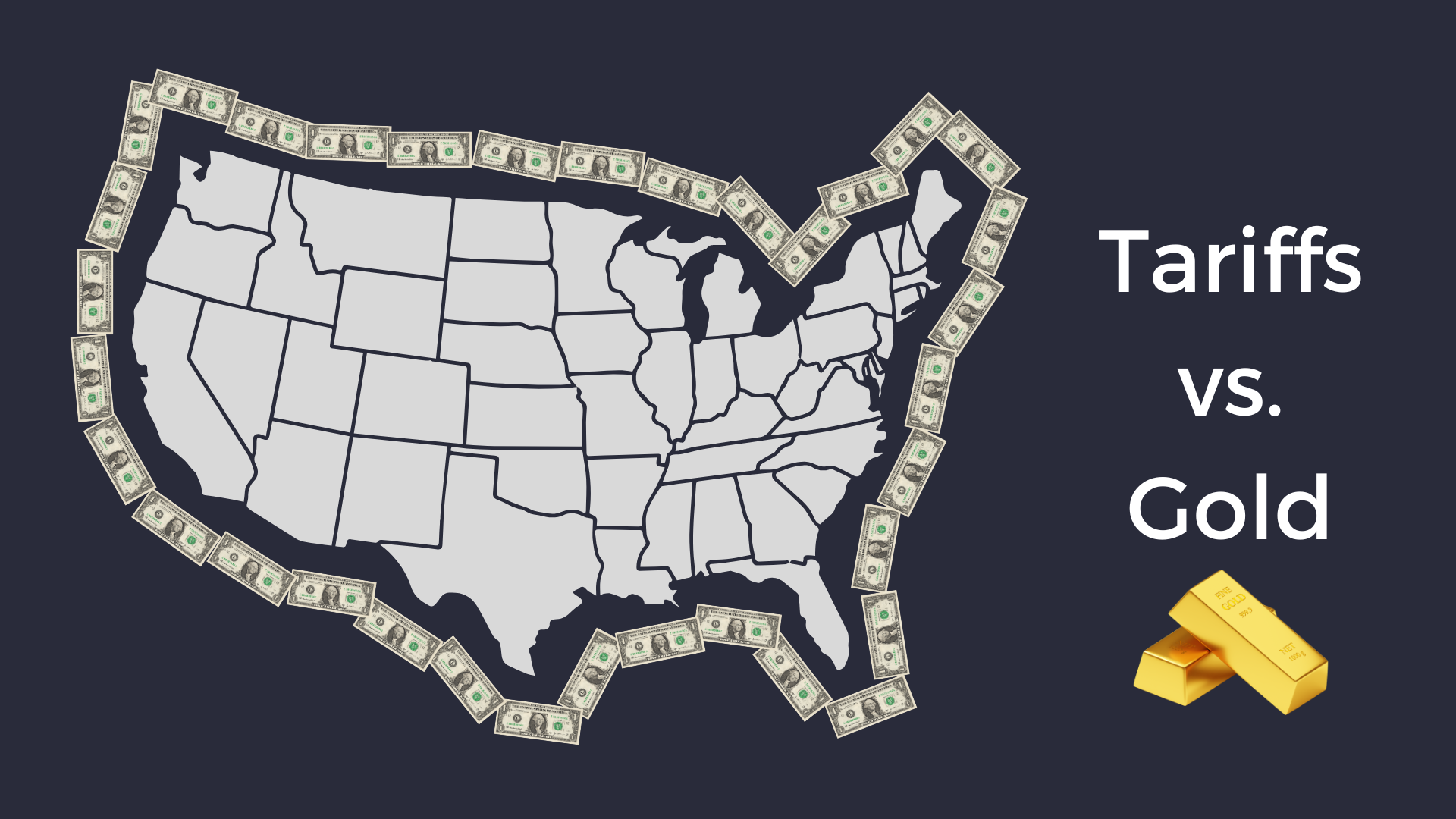
Trump’s tariffs have sent gold to an all-time high. Markets expect tariffs to cause some combination of higher inflation, a declining U.S. dollar, geopolitical tensions, and more foreign gold demand.
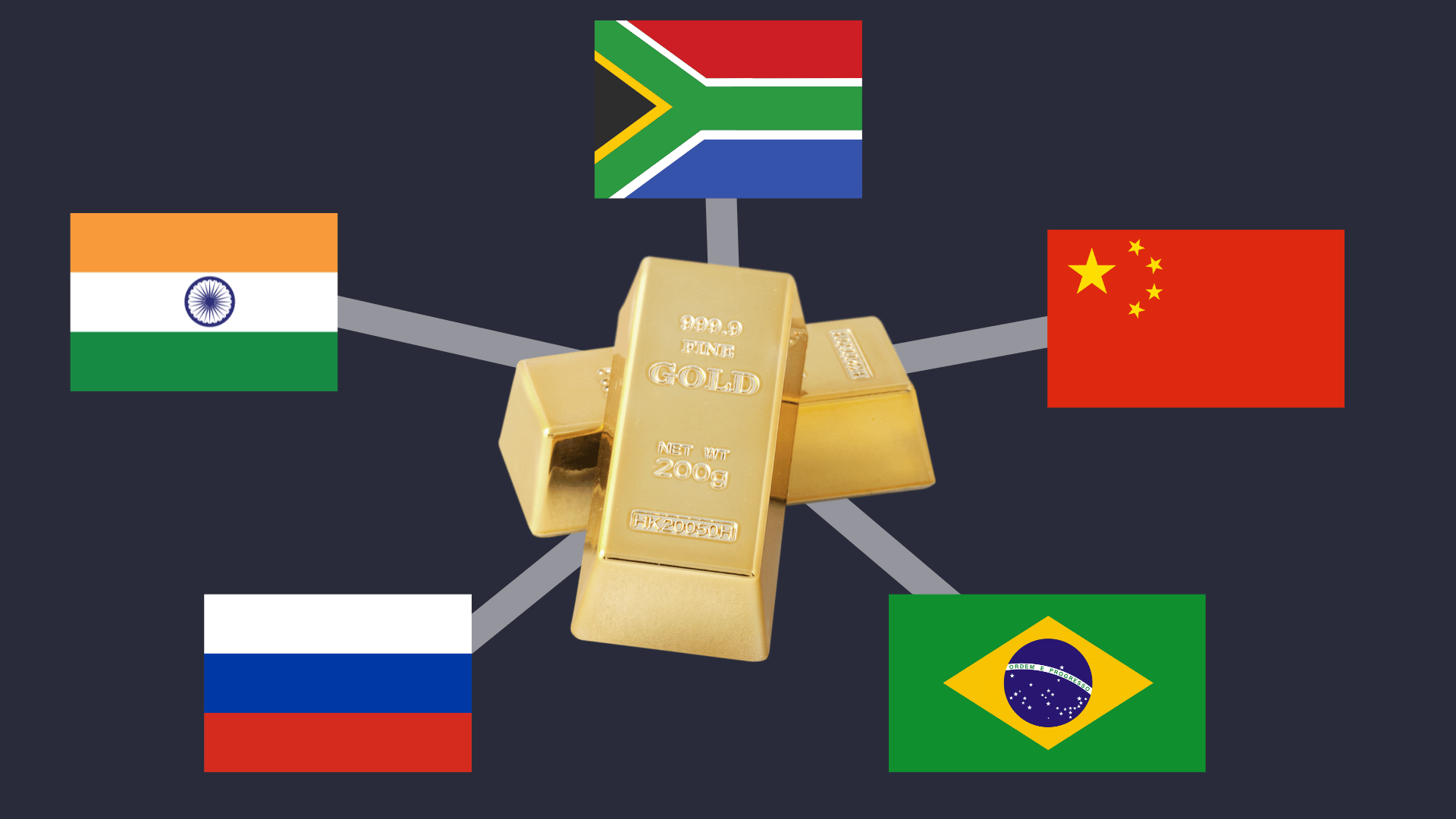
Discussions of a new “BRICS currency” are gaining widespread attention. This article explores why an increasing number of foreign nations are attempting to “de-dollarize,” and why gold has emerged as a viable alternative to the USD as the global reserve currency.
Gold is immune to inflation, valued across every culture, and independent of banks, governments, and corporations. Today, gold's greatest benefit for investors is its ability to improve risk-adjusted returns in a portfolio.
Typically, rising yields are bad for gold. Not this year. Rising yields represent an increasing risk of a public debt crisis, for which gold may be the only remedy.
Prior to 1971, the US dollar was backed by gold. Today, the dollar is backed by 2 things: the government’s ability to generate revenues (via debt or taxes), and its authority to compel economic participants to transact in dollars.
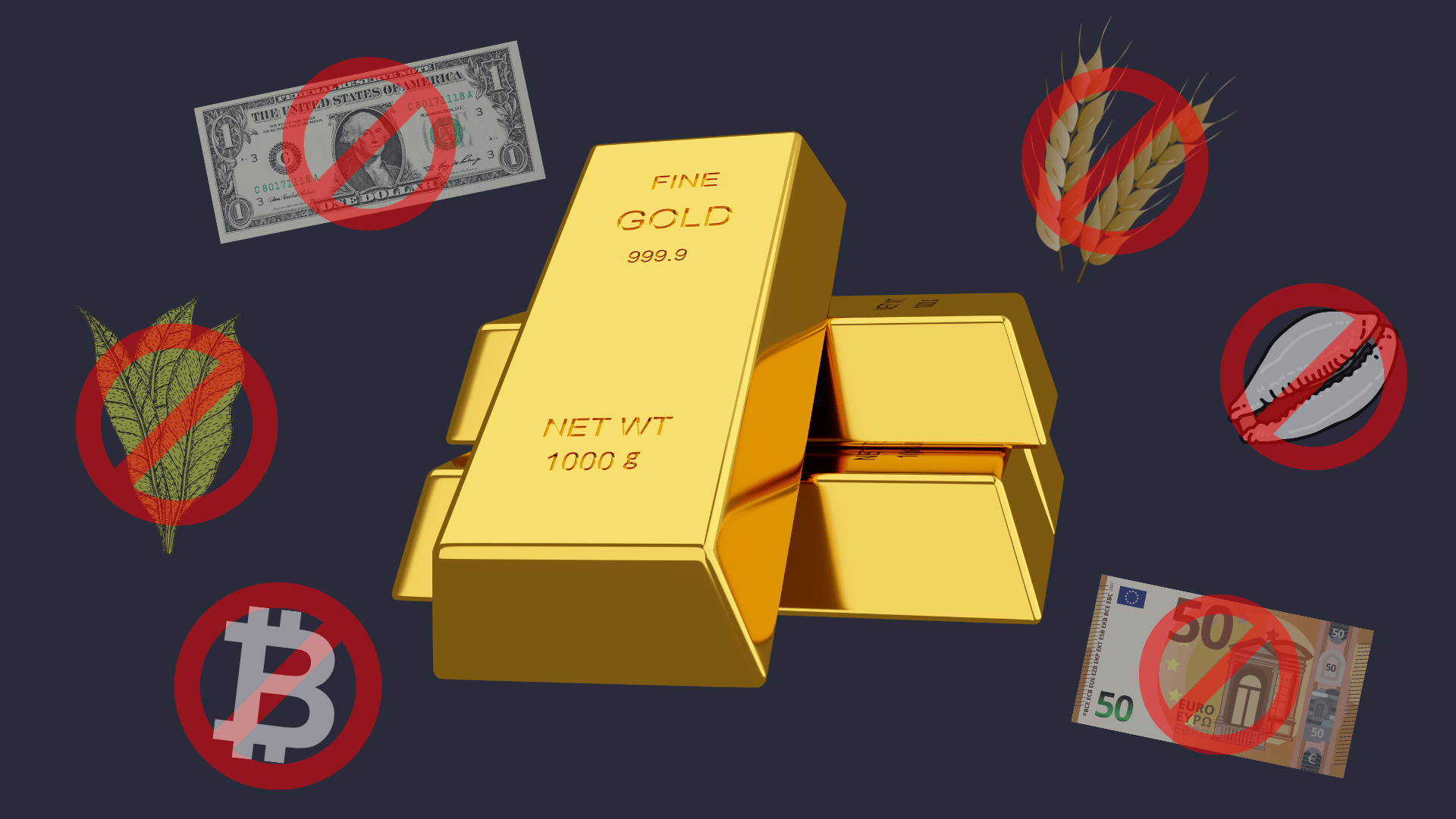
History, economic theory, and empirical evidence: three arguments supporting gold as the purest form of money.
We are all familiar with gold’s visual beauty, which made it the precious metal of kings and emperors for thousands of years. Today, this illustrious yellow metal is no longer reserved for royalty. You rely on gold every day, as does anyone who takes advantage of modern electronics, dentistry, medicine, and…space travel?
Fiat currencies rule the world, despite their shoddy track record over the last 100 years. What can we learn from fiat currency collapses in recent history?
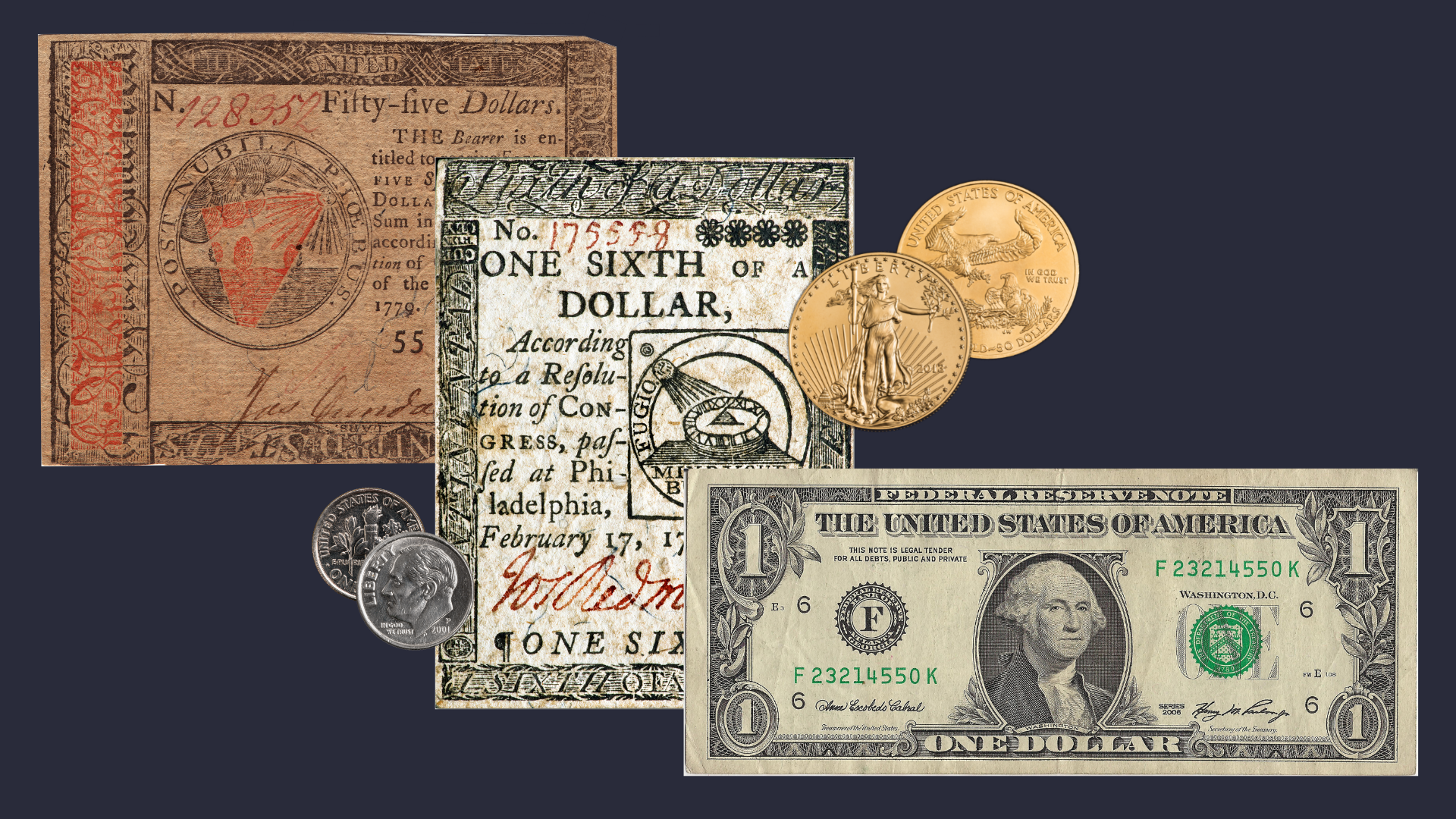
To understand the history of US monetary system, we must grasp the role of its central protagonist: gold.
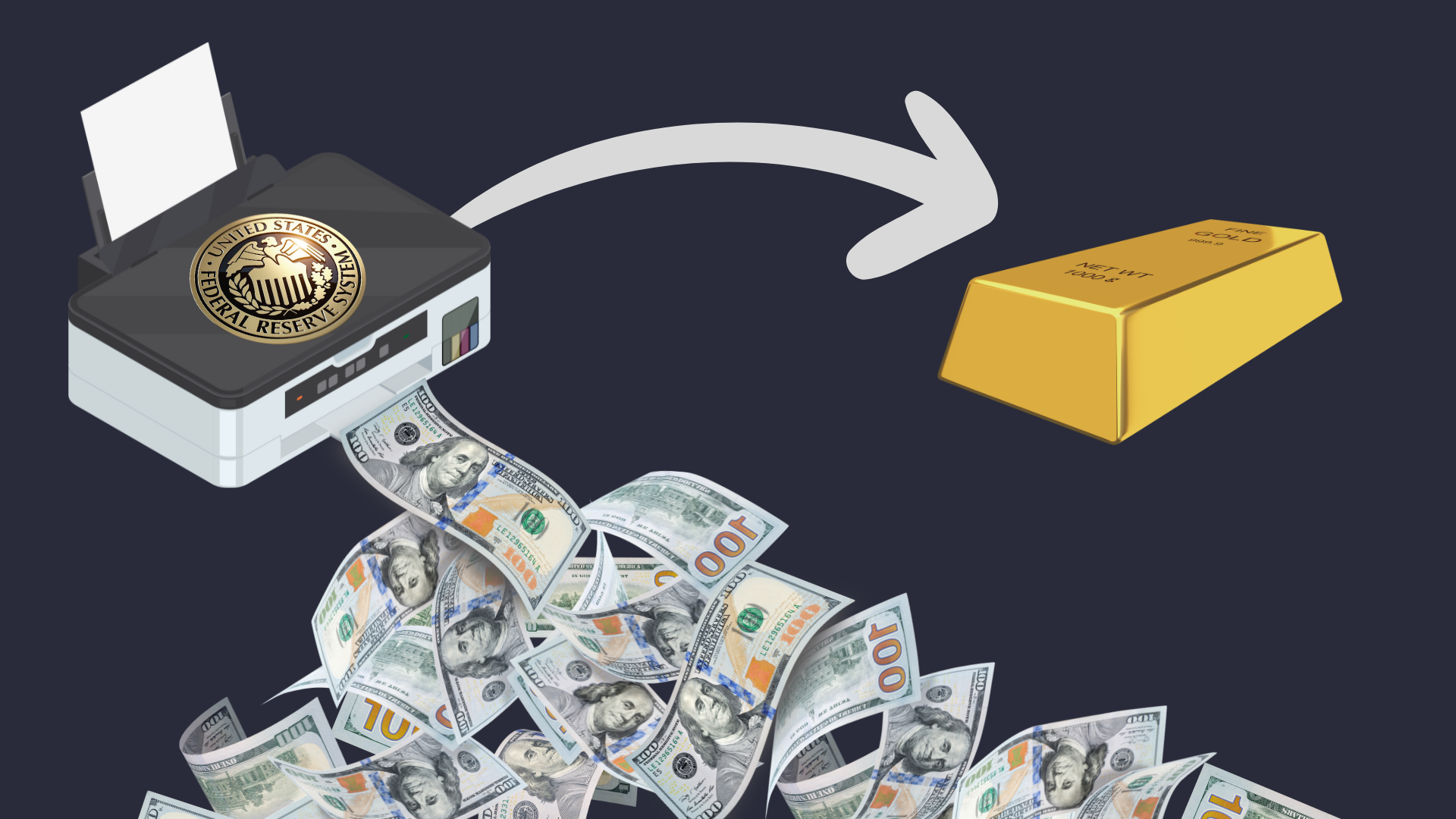
The long-term risks of quantitative easing, including eroding the credibility of the US dollar, are closely linked to gold's performance.
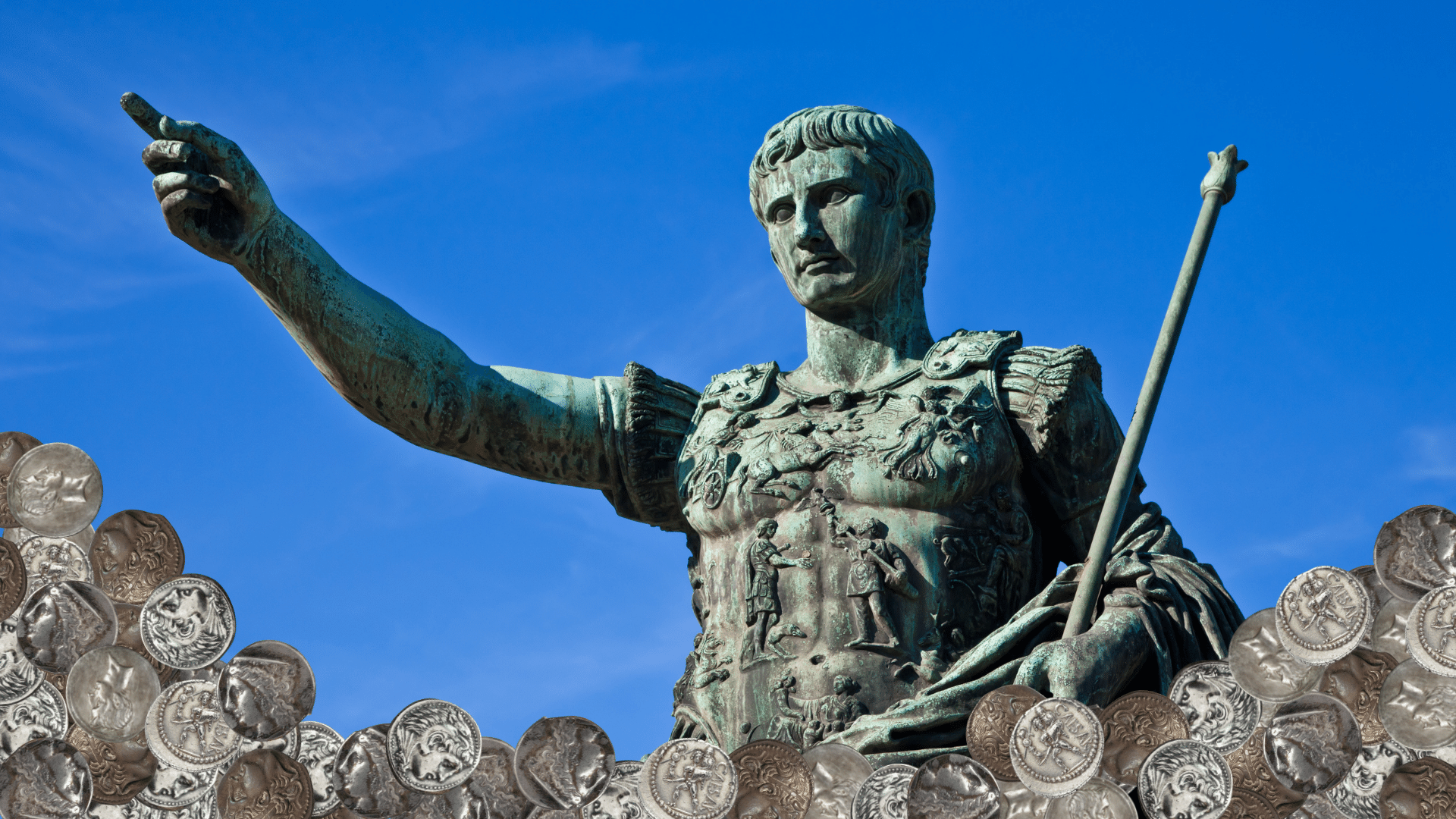
When Matthew wrote his gospel in 85 AD, one pure silver Denarius covered the daily wages of a skilled Roman craftsman. Three hundred years later, the coin had been reduced to a worthless scrap of copper alongside a crumbled empire.
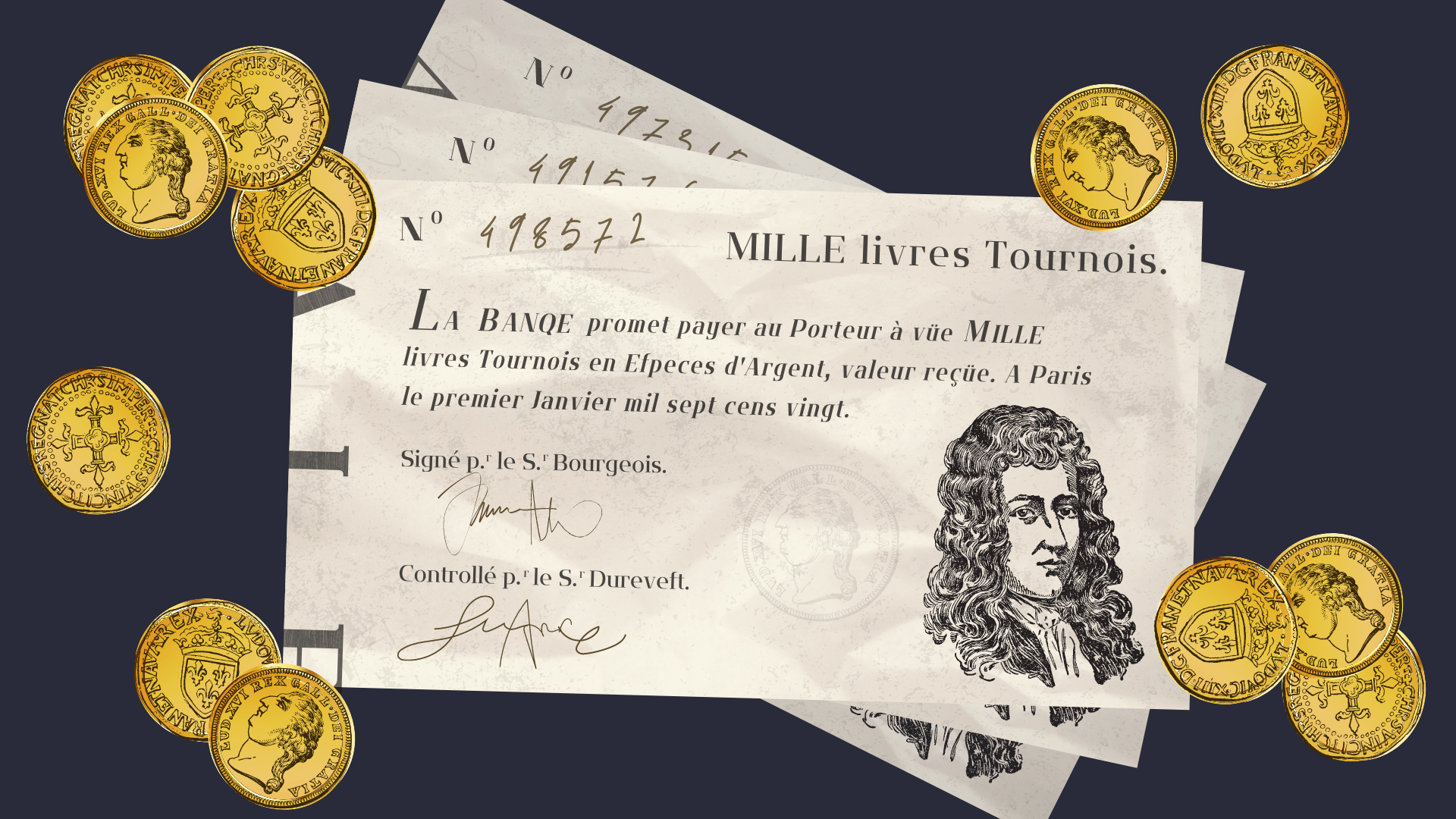
If you happened to be walking around Paris from 1715 to 1722, you would have encountered one of the first experiments with paper money, centralized banking, and fractional reserves.
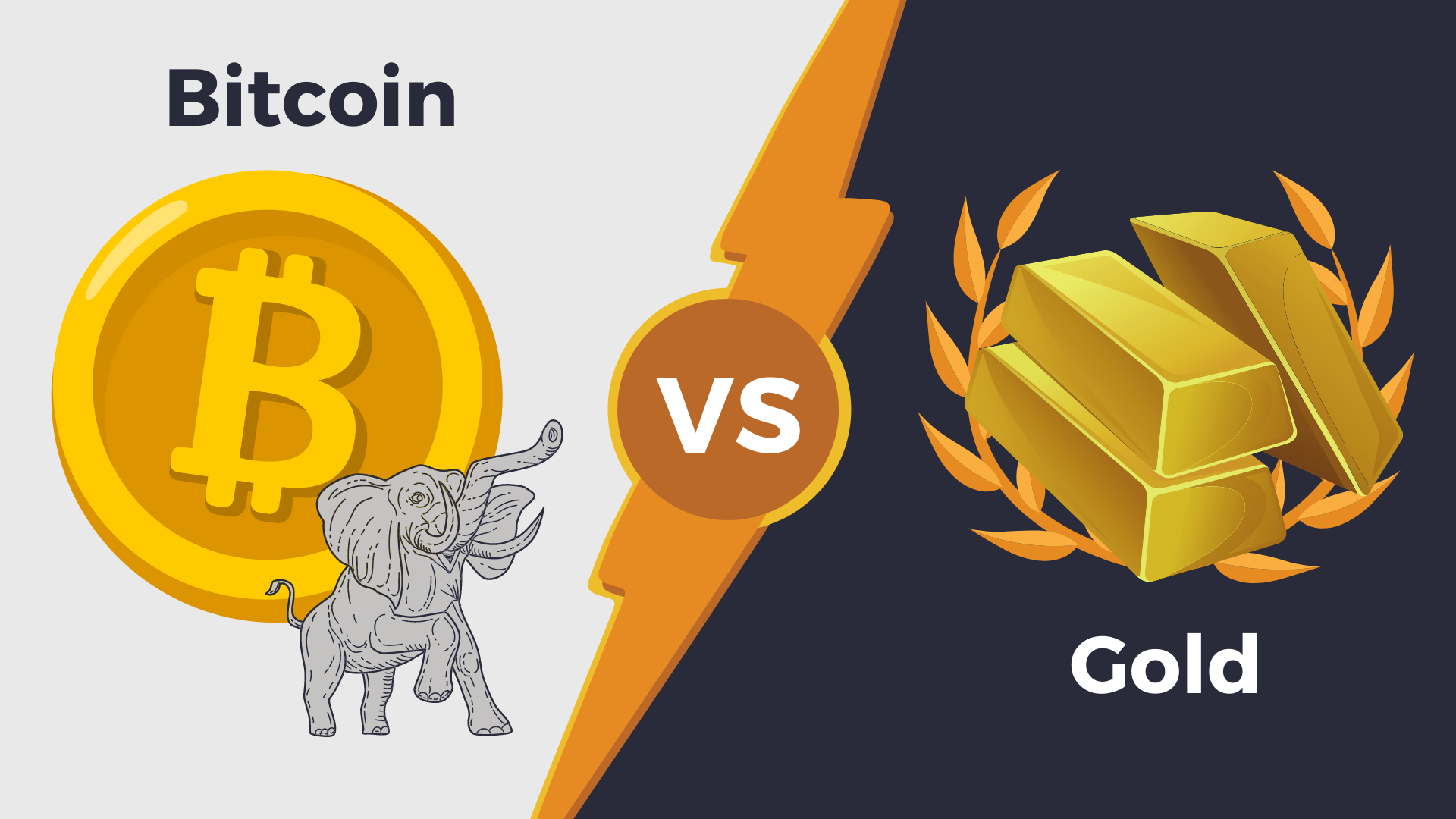
Everything you need to know about the two top choices for hedging against the U.S. dollar, and how to take advantage of the forces driving this battle.