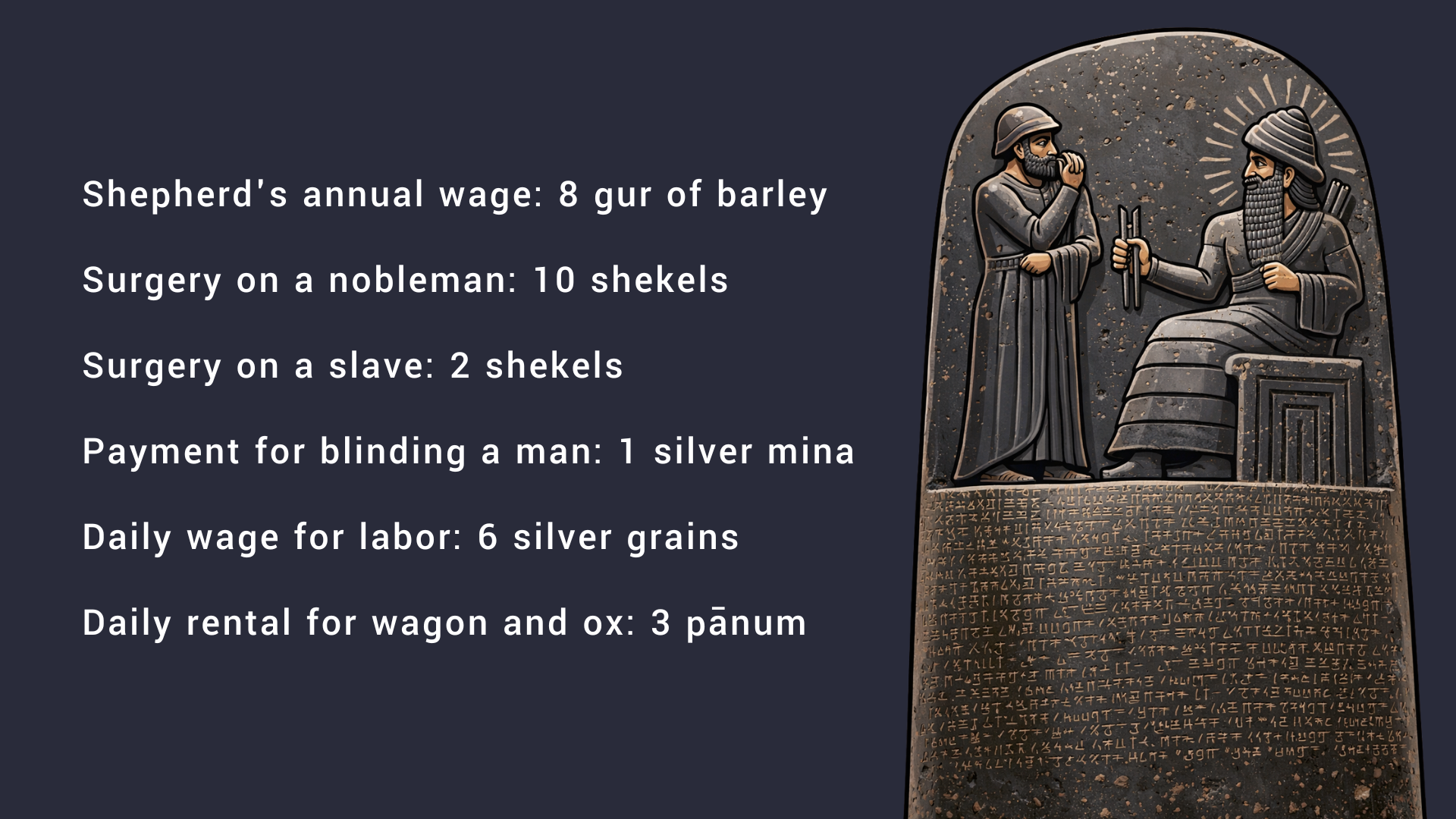
Comparing Ancient Babylonian Prices to Today
This article uses gold as a stable benchmark to translate wages and prices from Hammurabi’s Code into modern terms.

This article uses gold as a stable benchmark to translate wages and prices from Hammurabi’s Code into modern terms.
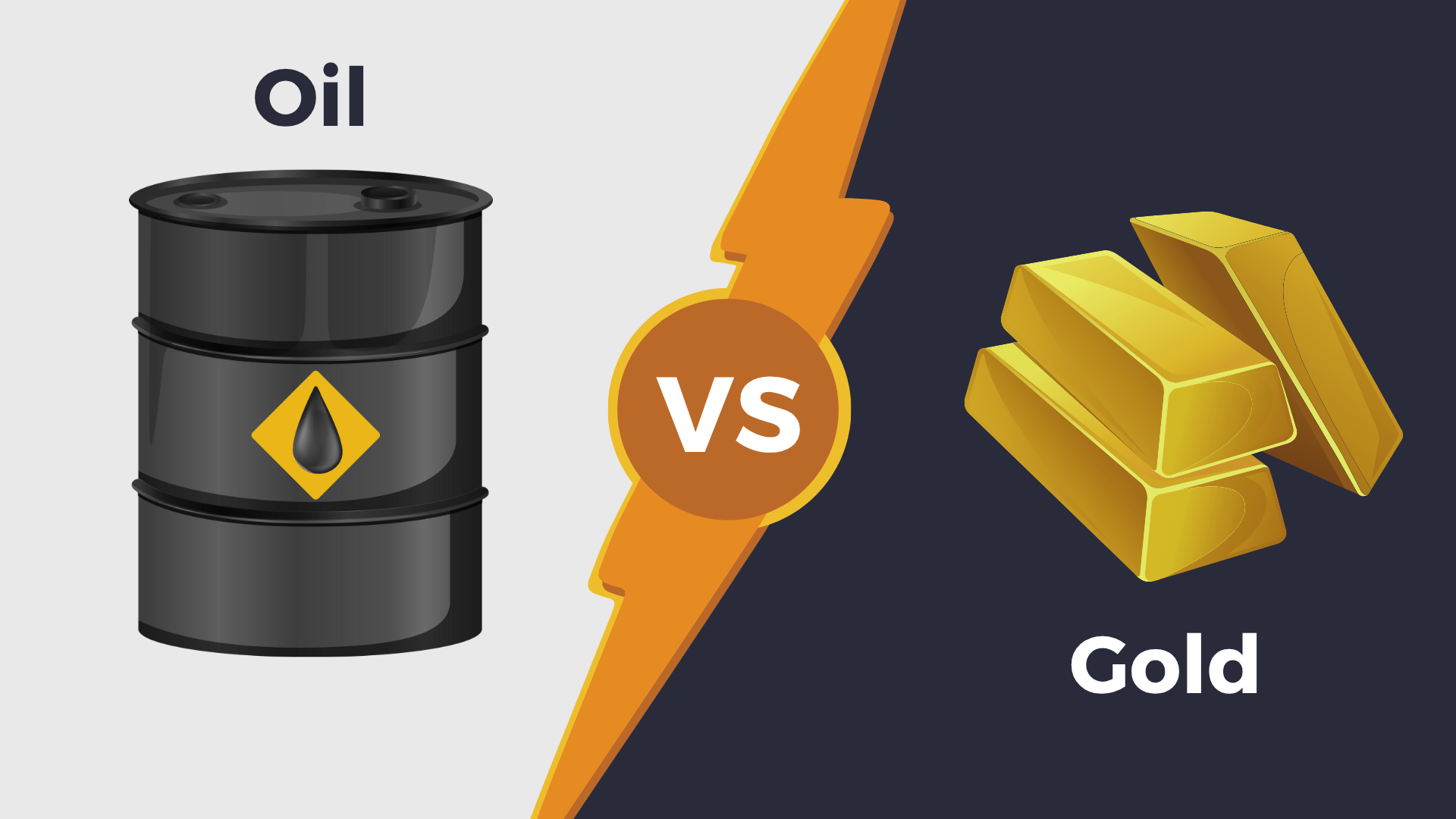
Gold and oil are the two most important commodities in the world. Tracking the gold/oil ratio is like watching the tug-of-war between Wall Street and Main Street.
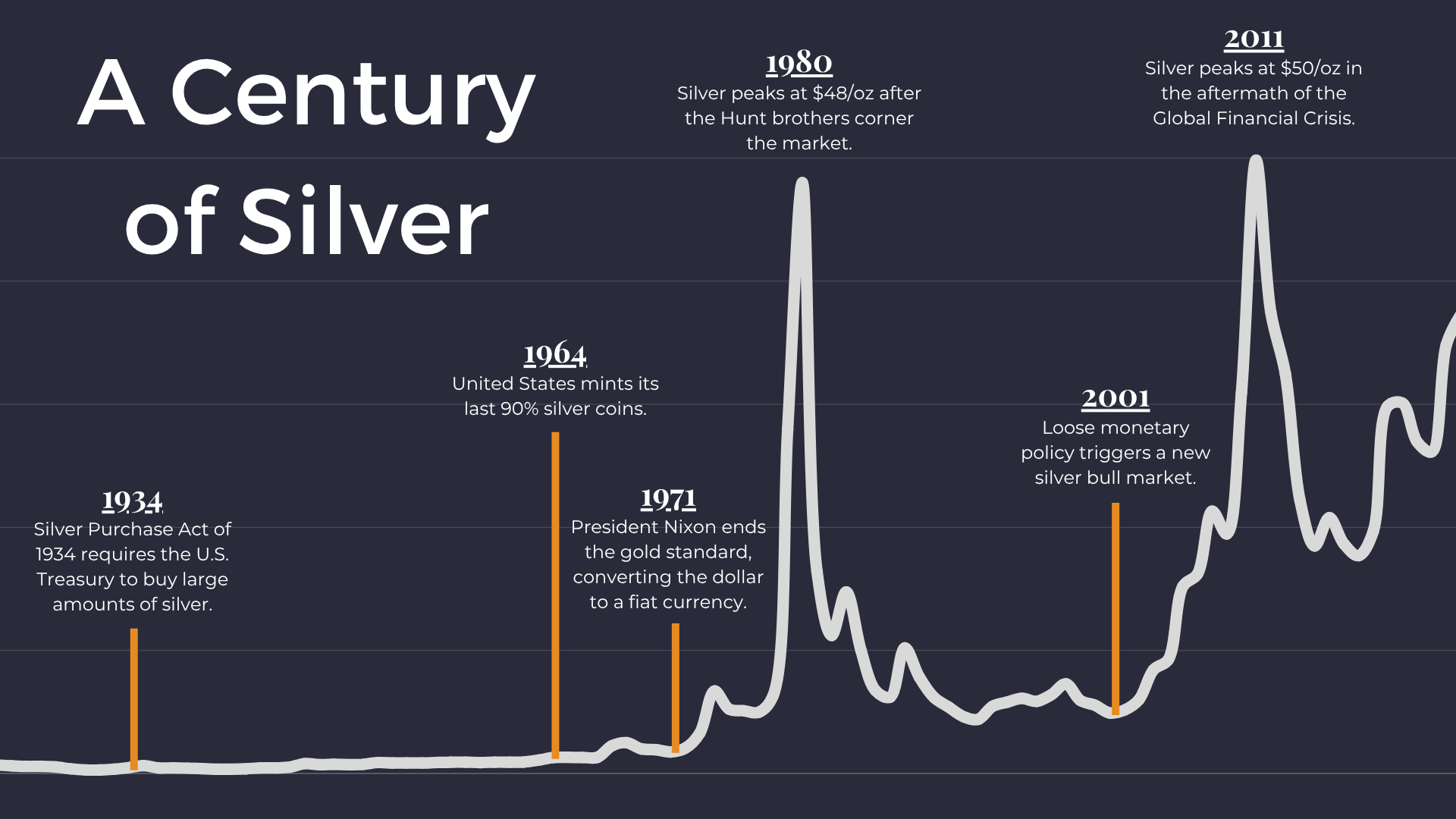
We’ll explore the silver price history from 1925 to today and zoom in on recent decades (30-year and 10-year price trends).
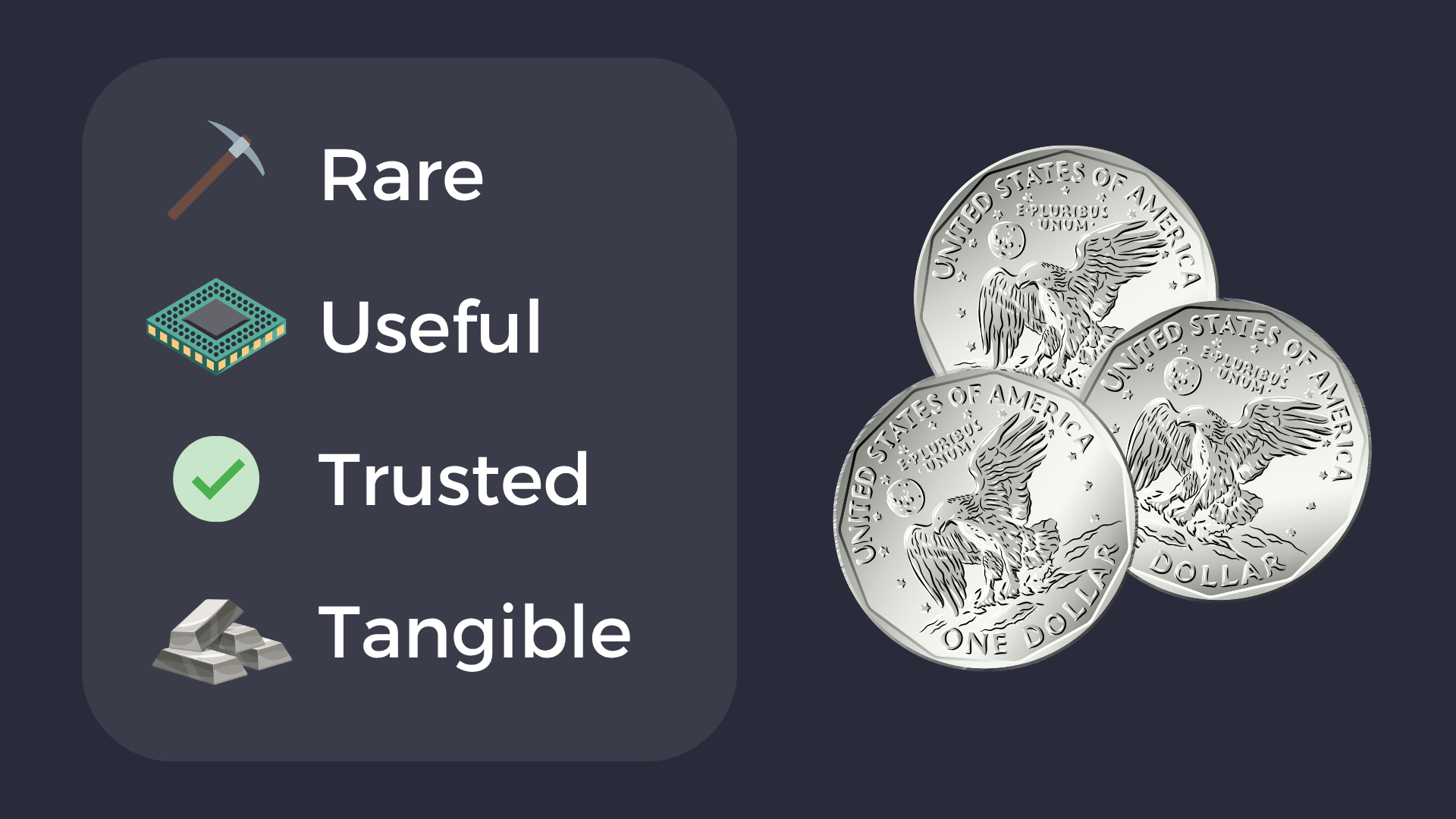
Silver is one of the most attractive investment opportunities today. Despite its growing applications in technology, silver remains extremely undervalued.
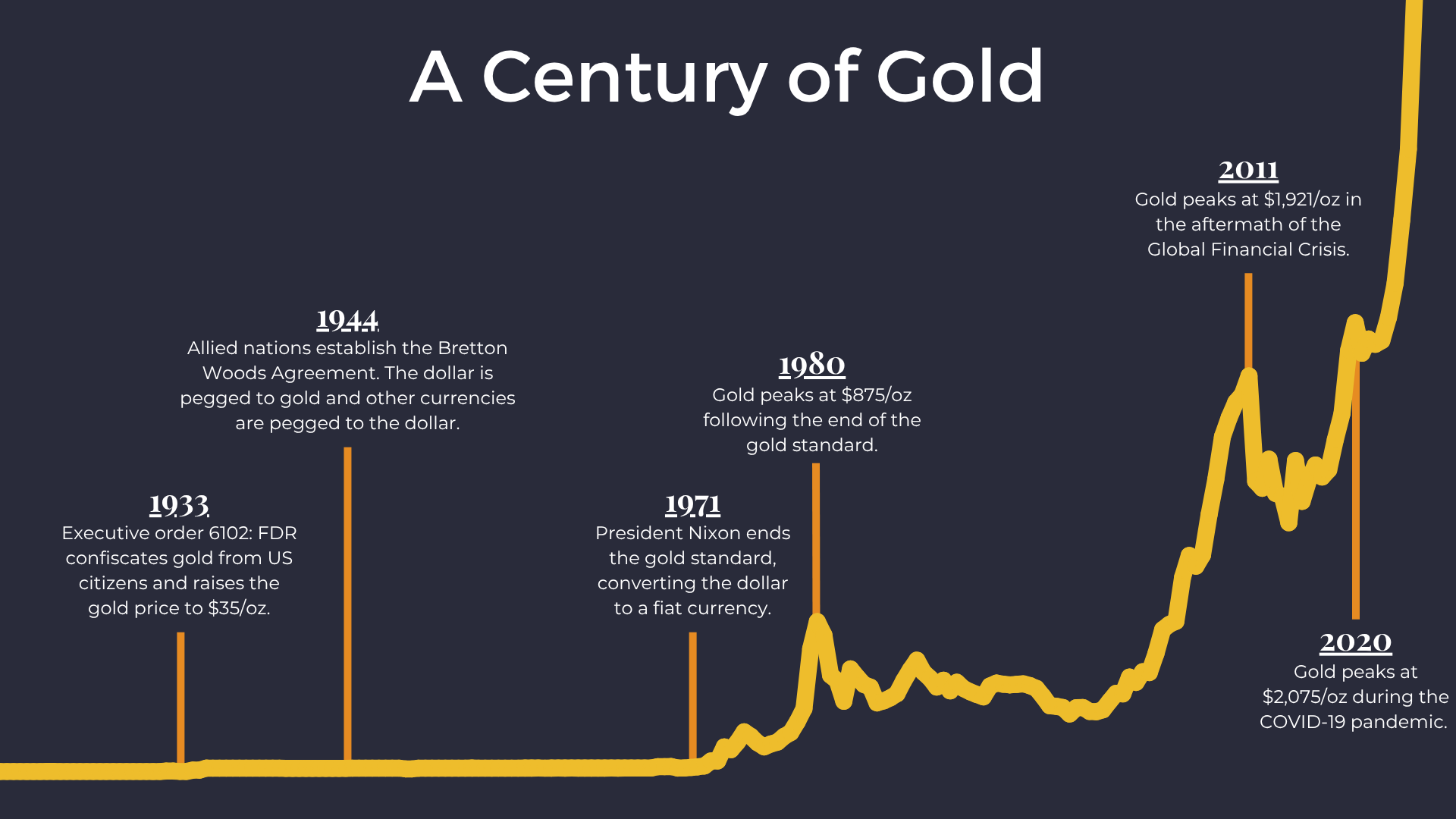
We’ll explore the gold price history from 1925 to today and zoom in on recent decades (30-year and 10-year price trends).
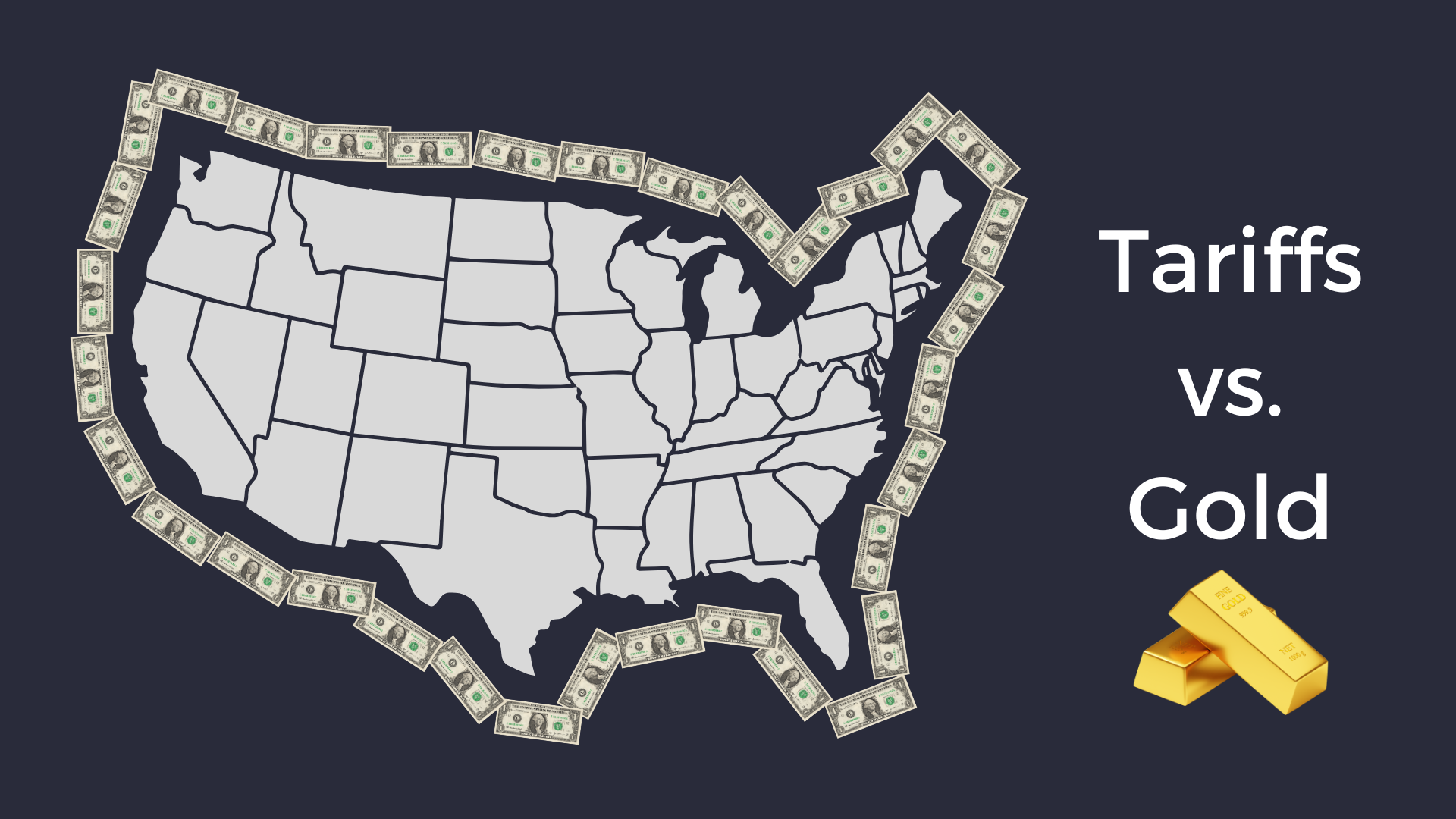
Trump’s tariffs have sent gold to an all-time high. Markets expect tariffs to cause some combination of higher inflation, a declining U.S. dollar, geopolitical tensions, and more foreign gold demand.
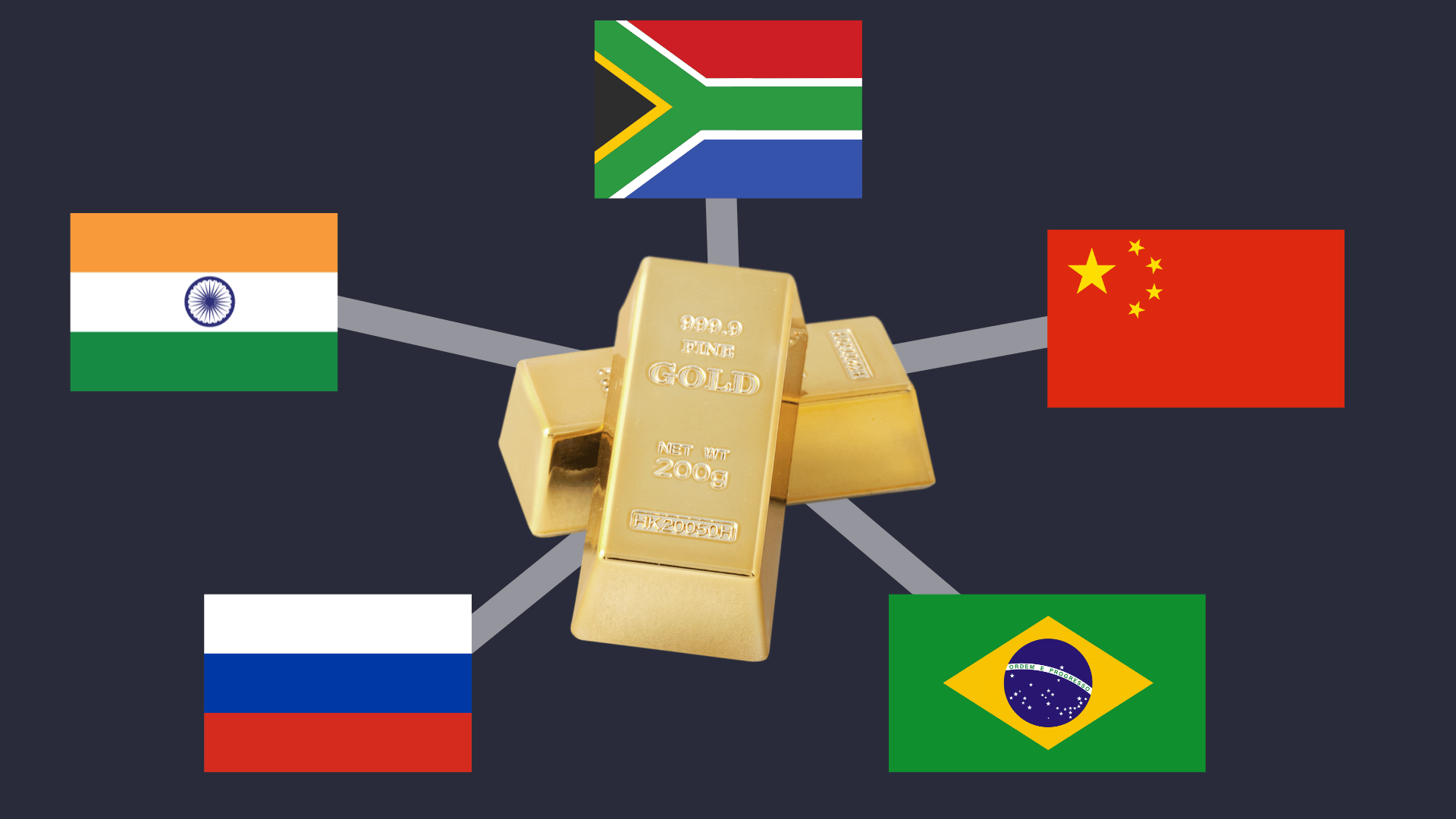
Discussions of a new “BRICS currency” are gaining widespread attention. This article explores why an increasing number of foreign nations are attempting to “de-dollarize,” and why gold has emerged as a viable alternative to the USD as the global reserve currency.

We’re in a world of seemingly stark inconsistencies – confounding incongruences.
Typically, we expect the price of gold to fall when yields rise. But over the last two months, Treasury yields and gold have surged together.
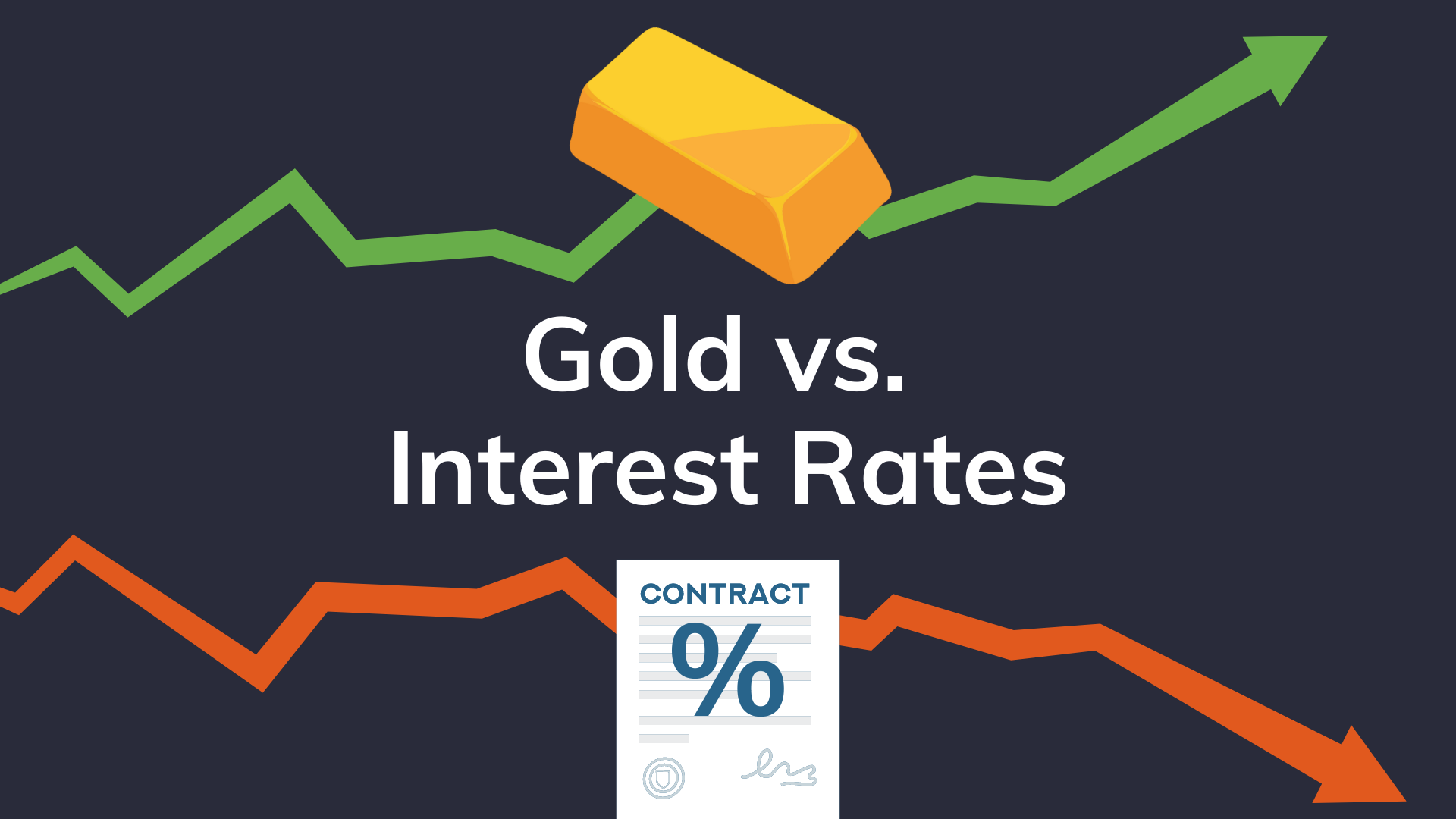
Gold and interest rates have an inverse relationship. When interest rates fall, the price of gold tends to rise, and vice versa.
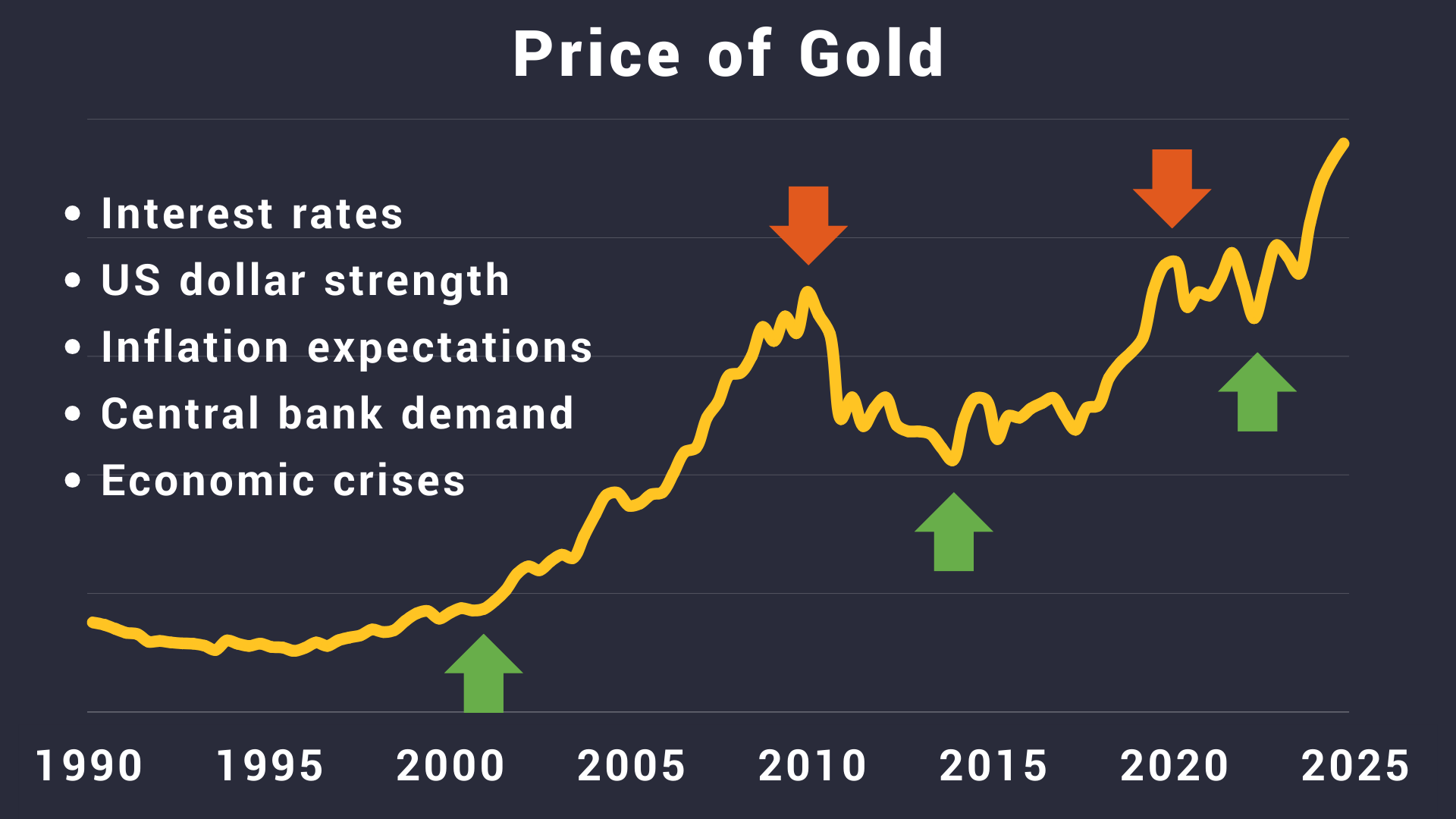
The price of gold rises when some event encourages marginal buyers to buy, or discourages marginal sellers from selling. This article discusses the top 10 factors that drive gold prices.
Gold is hovering around $2,320/ounce, down from its all-time high of $2,450 on May 20th. Silver has taken a bigger hit; down 11% from its May peak.
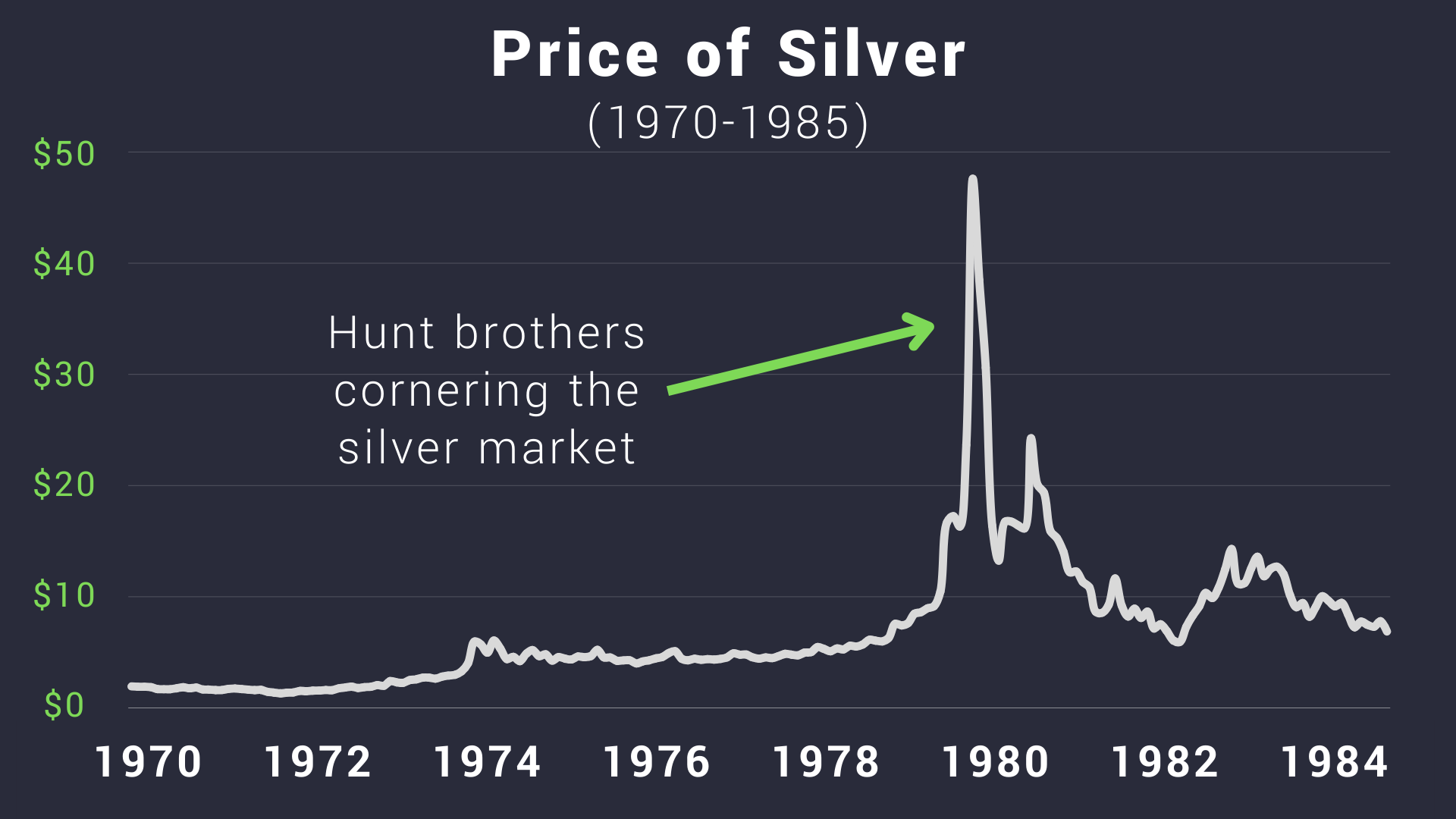
The price of silver is determined by supply and demand on major exchanges, as traders react to inflation expectations, interest rates, industrial demand, and geopolitical events.
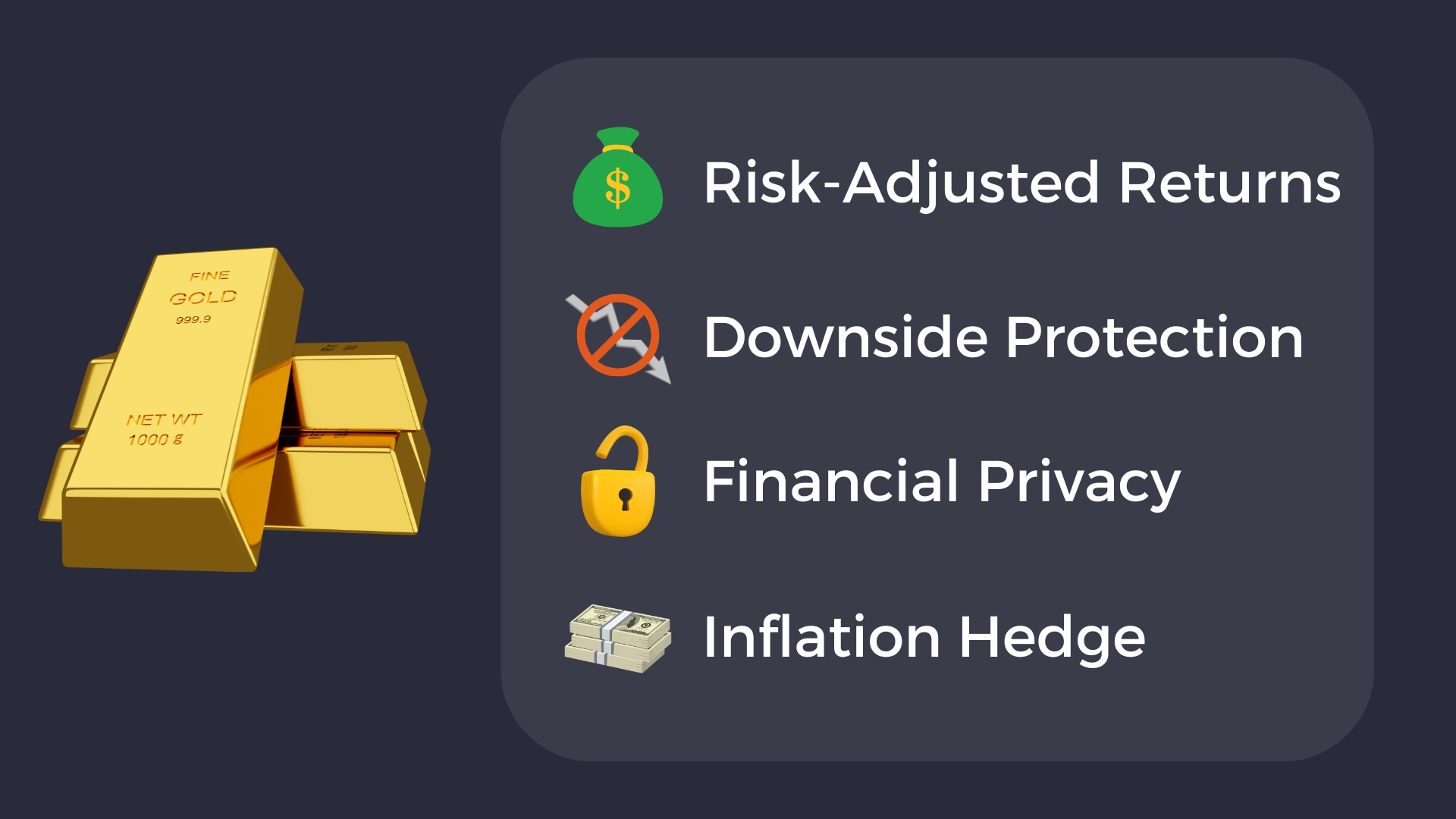
Gold is immune to inflation, valued across every culture, and independent of banks, governments, and corporations. Today, gold's greatest benefit for investors is its ability to improve risk-adjusted returns in a portfolio.
Typically, rising yields are bad for gold. Not this year. Rising yields represent an increasing risk of a public debt crisis, for which gold may be the only remedy.
When the Fed cuts interest rates this summer, gold and silver stand to absorb billions of dollars as investors redeploy their mountain of cash.